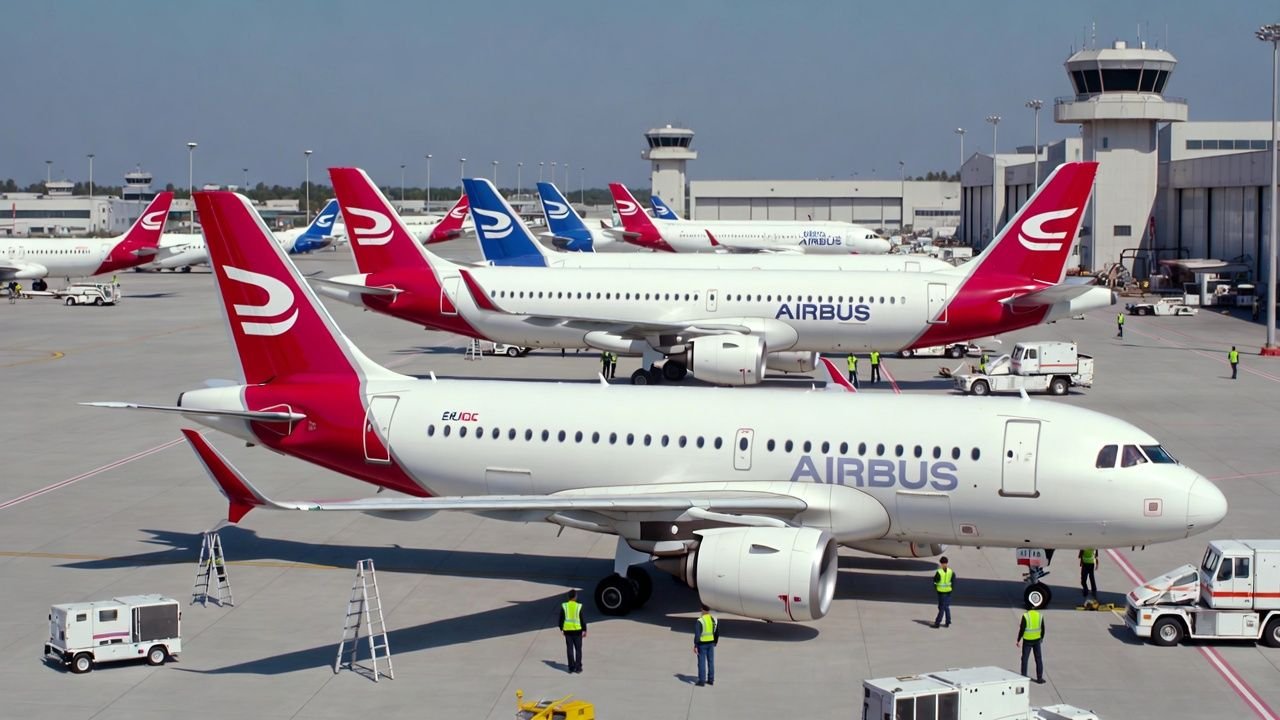
The aviation industry has entered 2026 with a surprisingly slow start. Airbus, one of the world’s leading aircraft manufacturers, delivered only 19 jets in January, far below expectations. This early lag in production and delivery has raised concerns among airlines, investors, and original equipment manufacturers (OEMs).
Understanding Airbus Jet Deliveries 2026
Airbus has historically been a reliable supplier for carriers worldwide, providing wide-body and narrow-body aircraft to meet growing travel demand. However, production constraints, supply chain challenges, and increased scrutiny over environmental compliance are influencing delivery schedules. The low January figure has drawn attention to the challenges the company faces in ramping up output for the year.
Deliveries of commercial aircraft are closely watched indicators of industry health. Airlines rely on new planes to expand routes, replace aging fleets, and maintain operational efficiency. Any delay in deliveries can ripple through scheduling, staffing, and maintenance plans.
Causes of the Slow Start
Several factors contributed to the reduced number of aircraft delivered in January 2026. Key issues include:
Supply Chain Bottlenecks: Global semiconductor shortages and delayed components continue to affect production timelines.
Labor Constraints: Strikes, staffing shortages, and the need for highly skilled engineers have slowed assembly lines.
Regulatory Inspections: Enhanced safety and environmental compliance checks for new aircraft models can extend production time.
Post-Pandemic Adjustments: Airlines are still recalibrating fleet expansions after pandemic-era disruptions, affecting orders and delivery schedules.
Impact on Airlines and OEMs
The slowdown in Airbus jet deliveries has immediate and potential long-term effects:
Airlines must adjust flight schedules and delay expansion plans. Some carriers may face operational bottlenecks, especially during peak travel seasons.
OEMs and Suppliers experience production ripple effects, with delayed orders and temporary reductions in manufacturing activity.
Market Confidence is affected as investors watch Airbus’ ability to meet annual targets and maintain revenue projections.
Industry analysts are monitoring whether Airbus can recover and accelerate deliveries in the coming months. Historically, manufacturers often see lower production in the early months, with output increasing toward mid-year to meet annual targets. However, external pressures such as rising green energy requirements and component shortages may complicate the rebound.
Strategies to Boost Production
Airbus is actively addressing the slow start with several strategies aimed at maintaining its leadership in the aerospace sector:
Automation and Digital Manufacturing: Implementing more advanced robotics and AI-assisted assembly lines to streamline production.
Supply Chain Diversification: Seeking alternative suppliers to mitigate bottlenecks and reduce reliance on single sources for critical components.
Environmental Innovations: Developing lighter, fuel-efficient aircraft that meet global emissions standards without slowing production.
Strategic Partnerships: Collaborating with airlines and maintenance providers to ensure smoother handovers and faster commissioning.
These measures are designed not only to increase the volume of deliveries but also to enhance the overall efficiency and sustainability of Airbus operations.
Outlook for 2026
Despite the slow start, the outlook for Airbus jet deliveries 2026 remains cautiously optimistic. Analysts expect production to ramp up in the second quarter, with mid-year numbers potentially matching or exceeding projections. The industry is also seeing strong demand for next-generation models, including the A320neo family and A350 wide-body jets.
While challenges remain, including supply chain uncertainties and regulatory hurdles, Airbus’ track record of innovation and operational excellence suggests that it can navigate the slow start and meet airline demands later in the year.
Conclusion
The delivery of only 19 jets in January highlights the hurdles Airbus faces at the start of 2026. From supply chain issues to regulatory compliance, the company must balance production efficiency with safety and environmental standards. For airlines and OEMs, these delays require careful planning and adaptation.
However, with strategic initiatives in place and global demand for air travel rebounding, Airbus is poised to accelerate deliveries in the coming months. Keeping an eye on Airbus jet deliveries 2026 will be crucial for the aviation industry as it navigates a complex, evolving landscape.