Fitness doesn’t have to be complicated. It doesn’t require extreme diets, expensive equipment, or two-hour gym sessions. In fact, the simpler your routine, the more likely you are to stick with it.
The biggest mistake people make is overcomplicating fitness. They chase trends instead of building habits. Real results come from consistency, not intensity.
Simple fitness removes excuses. It focuses on basic movements, manageable time blocks, and habits that fit into daily life.
If something feels sustainable, you’ll keep doing it. That’s the secret.
The 30-Minute Rule
You don’t need hours. You need focus.
Thirty minutes of intentional movement, five days a week, is enough to improve strength, energy, and overall health. Walking briskly. Bodyweight exercises. Light dumbbells. Cycling. Swimming.
Consistency beats perfection every time.
If you’re busy, break it into two 15-minute sessions. It still counts.
Focus on the Big Movements
Instead of chasing 20 different exercises, focus on core movement patterns:
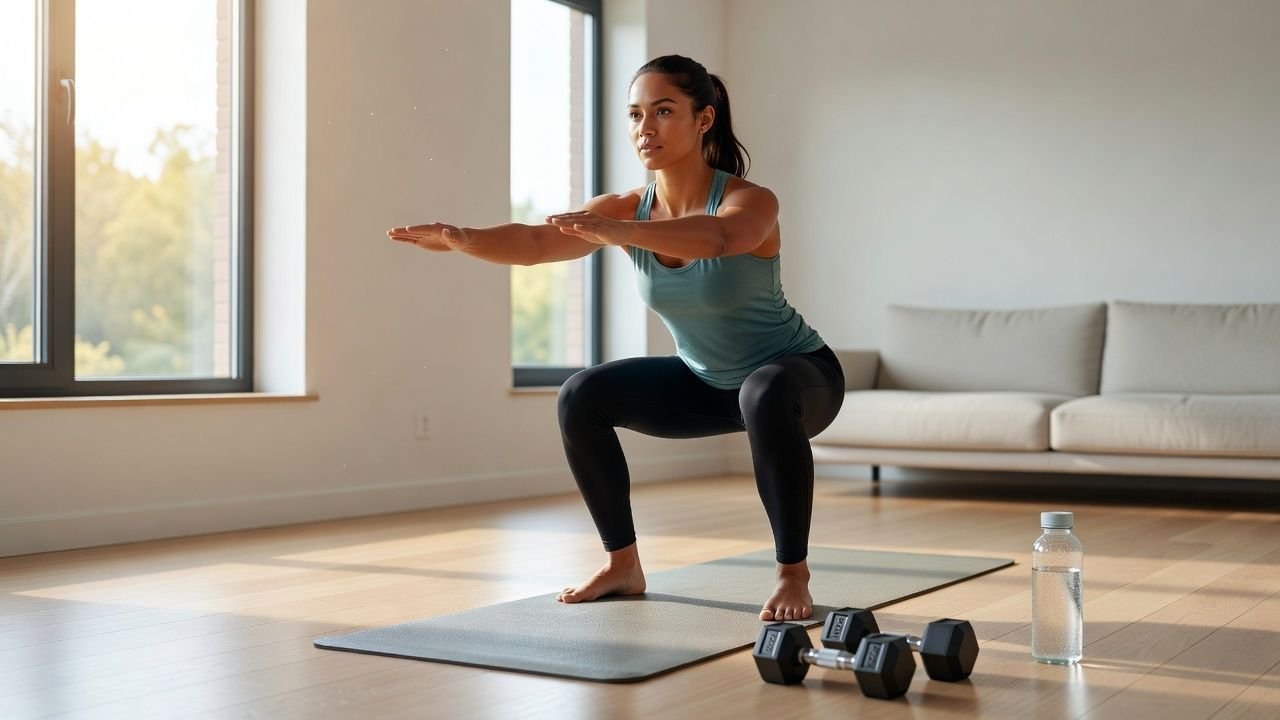
Squats (lower body strength)
Push-ups or presses (upper body push)
Rows (upper body pull)
Planks (core stability)
Walking or jogging (cardio health)
These movements train multiple muscles at once. That saves time and improves results.
Simple doesn’t mean easy. It means efficient.
Progress Without Obsession
You don’t need to track every calorie or weigh yourself daily.
Instead, measure progress by:
Increased strength
Better energy levels
Improved sleep
Looser-fitting clothes
Better mood
Fitness is more than numbers on a scale. It’s how your body feels and performs.
Nutrition: Keep It Basic
You don’t need a complicated meal plan. Focus on fundamentals:
Eat protein with every meal
Fill half your plate with vegetables
Drink enough water
Reduce ultra-processed foods
If 80% of your meals are balanced, you’re doing great. Don’t aim for perfect. Aim for consistent.
Extreme diets usually fail. Sustainable habits win.
Rest Is Not Lazy
Recovery is part of fitness.
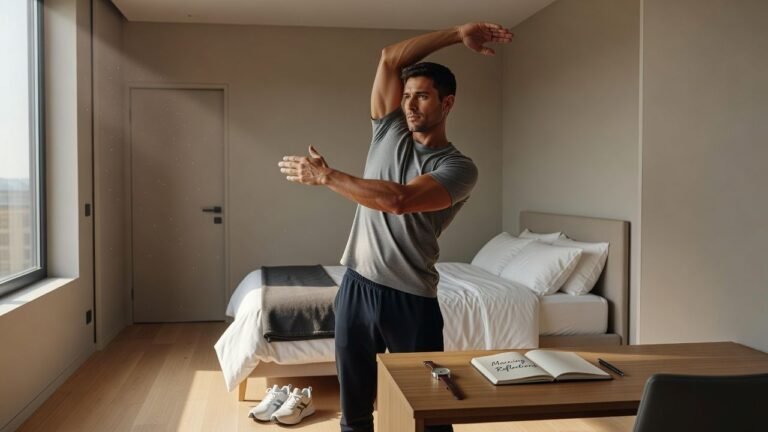
Sleep at least 7 hours per night. Take rest days. Stretch lightly. Go for walks.
Your body improves during recovery, not during the workout itself.
If you’re constantly exhausted, you’re not training smart. You’re just draining yourself.
Build the Habit First
Motivation fades. Habits stay.
Start small. Even 10 minutes a day builds momentum. Once movement becomes part of your identity, it feels natural.
Think long-term. You’re not preparing for one summer. You’re building a lifestyle.
That shift changes everything.
Fitness at Home Works
You don’t need a gym membership to get in shape.
Bodyweight workouts at home can build strength and endurance. Resistance bands are affordable and effective. A yoga mat and a pair of dumbbells can go a long way.
The best workout is the one you’ll actually do.
Mindset Matters More Than You Think
Fitness isn’t punishment. It’s self-respect.
Move your body because you value it. Eat well because you want energy. Rest because your body deserves recovery.
When you stop treating fitness as a chore, it becomes sustainable.