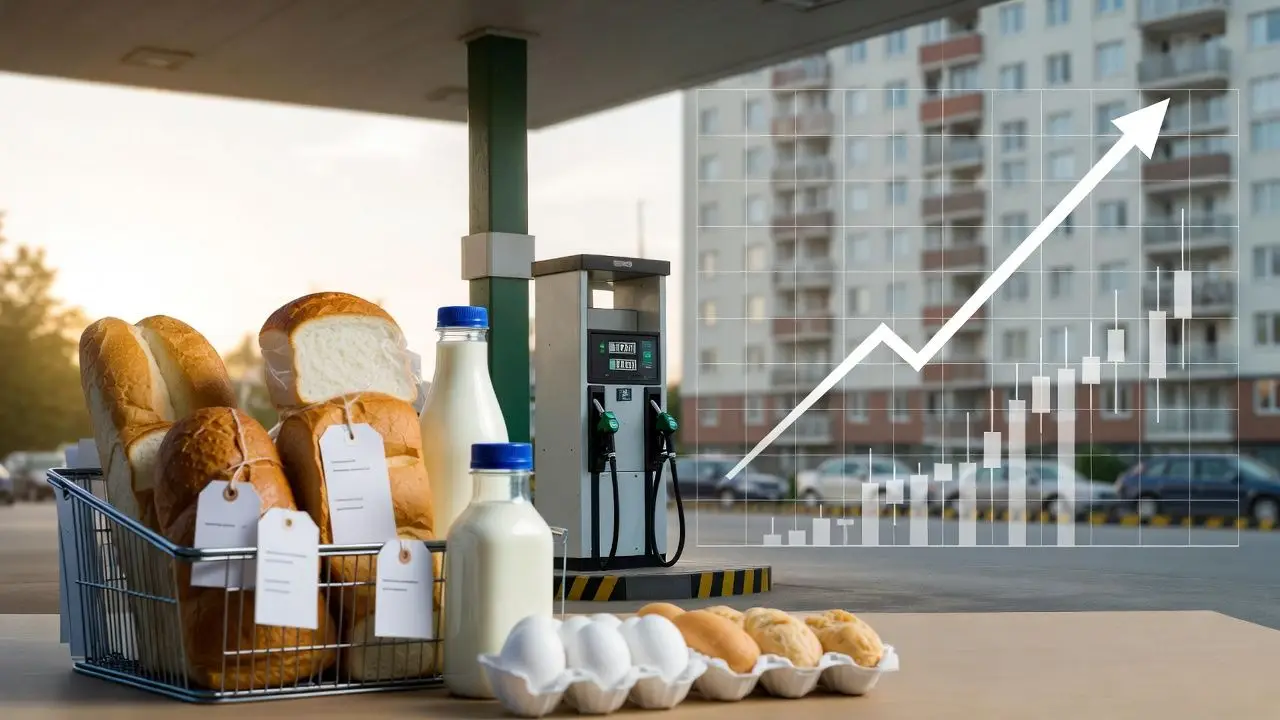
Restaurant meals hurt more than groceries. Food away from home rose 4% annually. Full-service restaurants increased prices 4.7%. Even limited-service meals climbed 3.2%.
These increases far exceed historical averages. Dining out became a luxury many can’t afford regularly.
The Good News on Eggs
Egg prices finally dropped. They fell 7% in January alone. They’re down 34% from a year ago.
An avian flu outbreak devastated supply in 2024. Prices hit $6.23 per dozen in March. They’ve since fallen to $2.86.
This relief matters. Eggs are a protein staple for budget-conscious families. Lower prices help stretch grocery dollars.
Energy: A Mixed Picture
Overall energy prices decreased 1.5% in January. They’re down 0.1% annually. This provides some relief.
Gasoline dropped 3.2% monthly and 7.5% yearly. Gas prices fell below $2.90 nationwide. This marks the cheapest December since 2020.
Strong U.S. crude production drives lower gasoline costs. Record output of 13.84 million barrels daily keeps prices down. The Energy Information Administration expects gas to average $3.00 per gallon in 2026.
But electricity tells a different story. Utility costs rose 6.3% annually. Natural gas bills jumped 9.8% over 12 months.
Data center electricity demand is exploding. These facilities consumed 4% of total U.S. electricity in 2023. That share could hit 12% by 2028.
AI computing drives this surge. Every ChatGPT query, every video render, every cloud storage backup requires power. The infrastructure boom creates sustained electricity demand.
Natural gas became more expensive as U.S. LNG exports increased. America is now the world’s largest liquefied natural gas exporter. Domestic prices reflect global markets.
At least 210 U.S. utilities raised rates or proposed increases through 2028. Electric bills will continue rising.
Housing Costs: The Stubborn Problem
Shelter costs account for one-third of overall CPI. They rose 3% annually in January. This drives headline inflation persistently above target.
Rent increased 0.2% in January. Owners’ equivalent rent also rose 0.2%. These gains seem modest monthly. But they compound relentlessly.
Regional variations matter enormously. The Mountain West states matched national inflation at 2.4%. But coastal cities experience much higher housing costs.
Housing inflation proves difficult to tame. Supply constraints persist. Construction hasn’t kept pace with demand. This imbalance sustains price pressure.
Why These Sectors Matter Most
Food, energy, and housing represent non-discretionary spending. Families can’t eliminate these expenses. They must pay regardless of income.
Lower-income households suffer most. They spend larger portions of income on necessities. They have less flexibility to absorb price increases.
When gas prices spike, suburban families with long commutes hurt badly. When electricity costs rise, everyone pays. When food prices climb, grocery budgets shrink.
Core inflation strips out food and energy. Policymakers watch it closely. But families experience total inflation, not core inflation.
Your morning coffee isn’t in core inflation. But you still pay for it.
The Income Reality
High inflation created severe financial pressures since 2022. Most households pay more for everyday necessities. Wages haven’t kept pace completely.
Price hikes are particularly difficult for lower-income Americans. They already stretch paychecks on necessities. They have minimal flexibility to save.
A recent Utah poll found 85% of respondents concerned about the economy. Among those worried, 47% cited inflation as their top concern.
What’s Expected in 2026
The USDA predicts overall food prices will rise 3% in 2026. That’s slightly better than recent years. But it’s still above the historical 2.6% average.
Six food categories will grow faster than their 20-year averages. These include beef, fresh vegetables, and nonalcoholic beverages.
Good news exists though. Egg, dairy, and pork prices are predicted to decline. These protein sources should provide budget relief.
Electricity costs will likely continue rising. Data center demand isn’t slowing. Natural gas export commitments remain firm.
Gasoline should stay affordable. Analysts expect $3.00 average prices throughout 2026. Refinery output remains strong. Crude supply is ample.
Housing costs will ease slowly if at all. Supply constraints take years to resolve. Rent growth moderates but doesn’t reverse.
The Federal Reserve’s Challenge
The Fed targets 2% inflation. January’s 2.4% reading moves in the right direction. But progress is uneven across sectors.
Food inflation at 2.9% exceeds the target. Shelter at 3% remains problematic. These sticky categories prevent overall inflation from reaching 2%.
The Fed can’t control food prices directly. Global crop yields, weather patterns, and international demand matter more.
It can’t control energy prices either. Geopolitical events, OPEC decisions, and global economic growth drive these.
Housing responds to interest rates eventually. But the lag is long. Rate cuts stimulate demand before supply adjusts.
The Bottom Line
Inflation is moderating overall. But essentials remain expensive. Food, energy, and housing continue pressuring household budgets.
Families feel inflation through grocery bills, utility statements, and rent checks. These expenses don’t disappear. They compound monthly.
Lower-income households bear disproportionate burdens. Their limited budgets get stretched further. Savings become impossible.
Watch these three sectors closely. They determine whether families feel economic relief or continued financial stress. Headline inflation numbers matter less than what you actually pay for necessities.