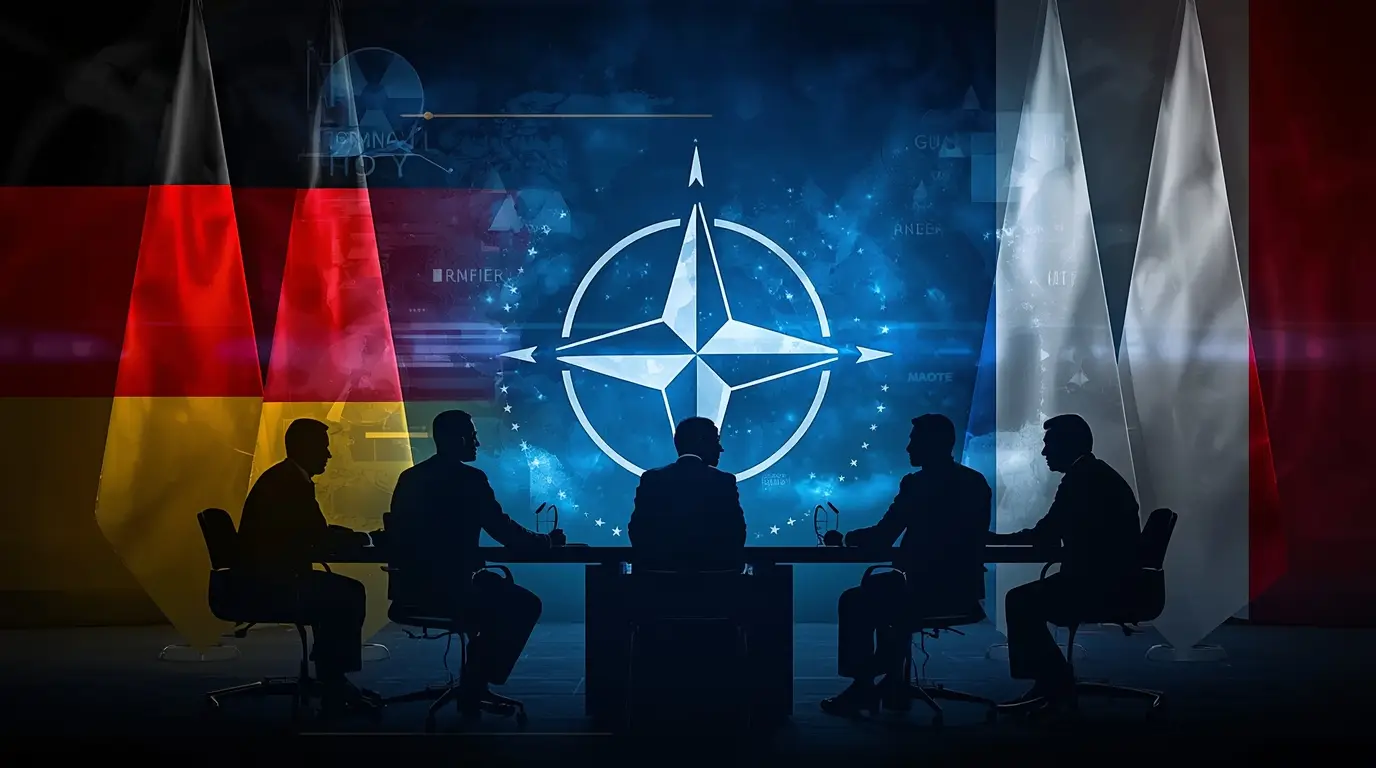
Germany and France open unprecedented discussions about nuclear deterrence cooperation. These talks mark a historic shift in European defense strategy and independence. Nuclear deterrence conversations reflect growing concerns about NATO’s future reliability and European security needs.
Why Europe Considers Nuclear Deterrence Now
NATO uncertainties drive European leaders toward independent solutions. American commitment to European defense faces increasing domestic skepticism. European nations recognize they must prepare for potential shifts in transatlantic support.
Russia’s aggressive posture makes defense autonomy more urgent. Traditional security arrangements no longer feel sufficient for protection. Leaders seek credible deterrents they can control independently.
France’s Existing Nuclear Capabilities
France maintains Europe’s only independent nuclear arsenal currently. The force de frappe includes submarine-launched and air-delivered weapons. French nuclear doctrine emphasizes national sovereignty and strategic independence.
Paris traditionally guards its nuclear program jealously from allies. Sharing nuclear capabilities represents a major policy departure. France now considers broader European security more important than exclusivity.
Germany’s Historical Nuclear Position
Germany renounced nuclear weapons after World War II. The country relied entirely on NATO’s nuclear umbrella for deterrence. This position satisfied both domestic politics and international agreements.
Recent geopolitical changes force Germany to reconsider historical stances. Leaders face pressure to contribute more to European defense. Nuclear discussions remain politically sensitive but increasingly necessary domestically.
What Nuclear Deterrence Sharing Could Mean
Joint command structures might govern European nuclear forces. Germany could provide financial and logistical support without controlling weapons. This arrangement respects legal constraints while enhancing deterrence credibility.
Training and infrastructure costs would be shared between partners. European nuclear forces could operate independently from American systems. Deterrence becomes more reliable when not dependent on distant allies.
Political Challenges in Nuclear Deterrence Talks
German public opinion remains deeply skeptical of nuclear weapons. Anti-nuclear sentiment runs strong across German political spectrum. Leaders must navigate domestic resistance while addressing security needs.
French citizens question sharing their national deterrent with others. Pride in independent capabilities creates political obstacles to cooperation. Both countries face significant internal debates about these proposals.
NATO’s Response to European Nuclear Plans
American officials express mixed reactions to European nuclear discussions. Some welcome burden-sharing while others fear alliance fragmentation. NATO unity requires careful management of independent European initiatives.
Smaller NATO members worry about being excluded from decisions. Eastern European nations want stronger not separate deterrence arrangements. Alliance cohesion faces tests as members pursue different strategies.
Financial Costs of Nuclear Deterrence
Developing and maintaining nuclear capabilities requires enormous investment. Germany would need to contribute billions annually to shared programs. French modernization plans already strain defense budgets significantly.
Cost-sharing makes nuclear deterrence more financially feasible for Europe. Joint programs deliver better value than duplicate national efforts. Economic pressures encourage cooperation despite political obstacles.
Timeline for Nuclear Deterrence Implementation
These discussions remain in very early exploratory stages currently. Actual operational capabilities would take years or decades to establish. Legal and political hurdles must be cleared before concrete progress.
Interim security arrangements will continue during transition periods. Europe cannot rely solely on future capabilities for current threats. Traditional NATO structures remain essential for immediate defense needs.
Global Implications of European Nuclear Deterrence
European nuclear independence could reshape global security architecture fundamentally. Other regions might pursue similar autonomous deterrence arrangements. The nuclear nonproliferation regime faces new challenges from these developments.
China and Russia watch European nuclear discussions closely. American global military posture might shift if Europe becomes self-sufficient. International stability depends on how these transitions proceed carefully.
What Happens Next in Nuclear Talks
Germany and France will continue private discussions throughout 2026. Technical experts assess feasibility and requirements for cooperation. Political leaders gauge domestic support for controversial policy changes.
Other European nations may join conversations about shared deterrence. Poland and Italy express interest in broader European arrangements. The scope of cooperation could expand beyond bilateral talks.
Conclusion
Nuclear deterrence discussions between Germany and France signal major European shifts. These talks reflect realistic assessments of changing security environments. Europe moves toward greater defense independence regardless of obstacles.
Success remains uncertain given political and practical challenges ahead. However, serious conversations indicate Europe’s determination to control its destiny. The transatlantic relationship evolves as Europe pursues strategic autonomy seriously.