I started investing years ago with small amounts. At first, I made mistakes. I chased hot tips and lost some cash. Now I focus on long-term growth. This means I let money sit and grow for 10, 20, or 30 years. It works better than quick trades for most people.
Long-term investing is not exciting every day. Markets go up and down. But time smooths it out. History shows stocks return about 7-10% per year after inflation if you hold steady. The key is patience and smart choices.
Start with the Basics
Pay off high-interest debt first. Credit cards at 20% interest kill growth. Clear that before you invest extra cash.
Build an emergency fund. Keep 3-6 months of living costs in a safe spot like a high-yield savings account. This stops you from selling stocks when life hits hard.
Only invest money you won’t need soon. If you might pull it out in 2-3 years, keep it in cash or bonds. Stocks are for long hauls.
Use Compound Interest
Compound interest is magic. It means your gains earn more gains. Start early and add regularly.
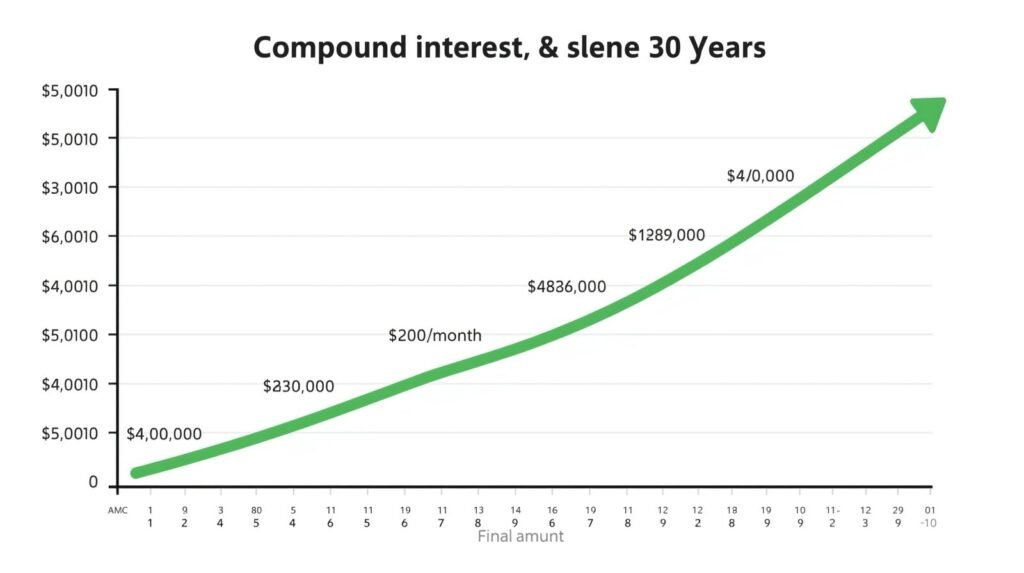
Say you invest $200 a month at 8% return. After 30 years, you could have over $300,000. Most of that comes from compound growth, not your deposits.
Automate it. Set up transfers from your paycheck to investments. You won’t miss the money if it’s gone before you see it.
Reinvest dividends and interest. Don’t cash them out. Let them buy more shares.
Diversify to Lower Risk
Never put all money in one place. Spread it out.
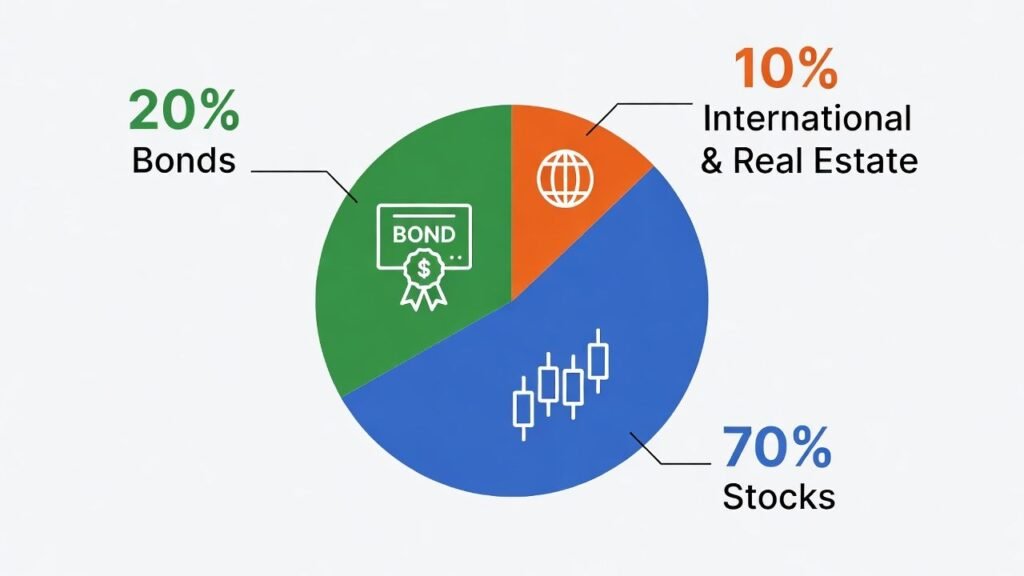
Mix stocks, bonds, and maybe real estate. Stocks grow more but swing hard. Bonds are steady but grow less.
Use index funds or ETFs. They track big groups like the S&P 500. Low fees. Instant spread across hundreds of companies.
I keep 70-80% in stocks when young. Shift to more bonds as I age.
Add some international stocks. US markets are strong, but other countries grow too.
Pick Good Investments for Growth
Focus on these for long-term:
Broad stock index funds. Like ones that follow the whole market. They beat most picked stocks over time.
Growth areas. Tech, health care, clean energy. These grow faster than average.
Dividend stocks. Companies that pay part of profits back. Reinvest them.
Avoid single stocks unless you know the company well. Most people lose trying to pick winners.
In 2026, AI and energy demand look strong. But don’t chase trends. Stick to basics.
Rebalance Once a Year
Check your mix every year. If stocks jump a lot, sell some and buy bonds. This keeps risk in check.
Do it in a tax-smart account if possible. Like a retirement plan.
Control Costs
Fees eat returns. Choose low-cost funds. Under 0.2% expense ratio is good.
Use a simple broker. Many have no trade fees now.
Avoid frequent trades. Each one costs money and taxes.
Stay Calm in Bad Times
Markets drop sometimes. In 2022, stocks fell 20%. Many sold low and missed the rebound.
I remind myself: bad years pass. Buy more if you can when prices are low.
Don’t watch your account every day. Check quarterly or yearly.
Add These Habits
Save more as income grows. Aim for 15-20% of pay.
Learn a bit each year. Read simple books or watch free videos.
Talk to a trusted friend or advisor if stuck. But watch for sales pitches.
Track progress. See how your money grows over time. It motivates you.
Real Example from My Life
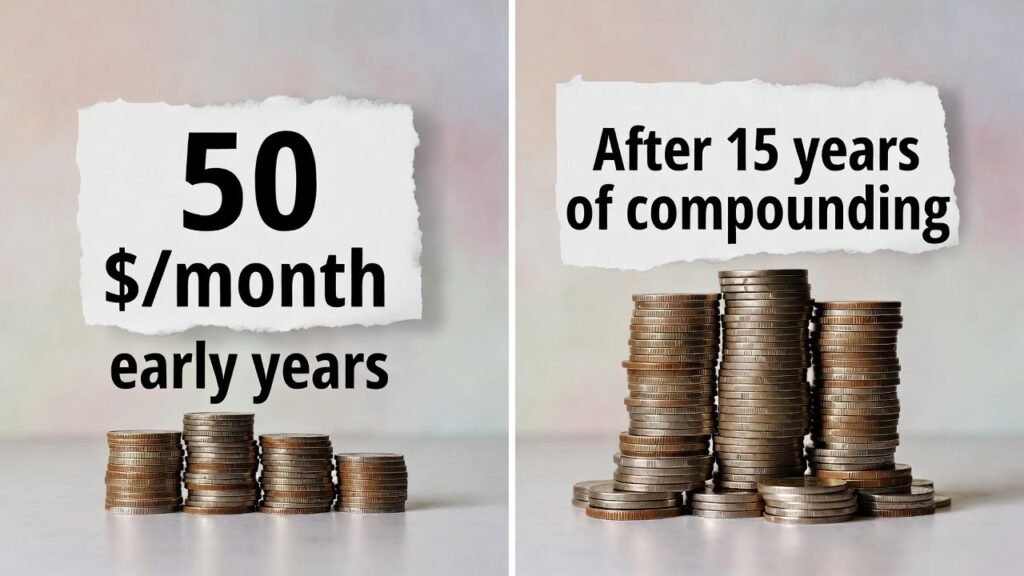
I started with $50 a month in an index fund. Added more when I could. After 15 years, it grew a lot. The early years felt slow. Then compound kicked in hard.
You can start small too. Even $100 a month adds up.
Final Thoughts
Long-term growth comes from steady habits. Start now. Add money often. Diversify. Keep costs low. Ignore noise.
You don’t need to be rich or smart. Just consistent.