Smart machines change how robots work and adapt daily. Machine learning helps robots improve without constant reprogramming always. Moreover, these systems learn from experience like humans do. Understanding how machine learning works reveals the robot revolution.
What Machine Learning Actually Means
Machine learning lets computers learn from data automatically today. Programs identify patterns and make decisions independently without help. Also, the system improves itself through repeated practice.
Traditional robots follow pre-programmed instructions only and rigidly. They can’t adapt when situations change unexpectedly around them. However, machine learning enables robots to handle new scenarios.
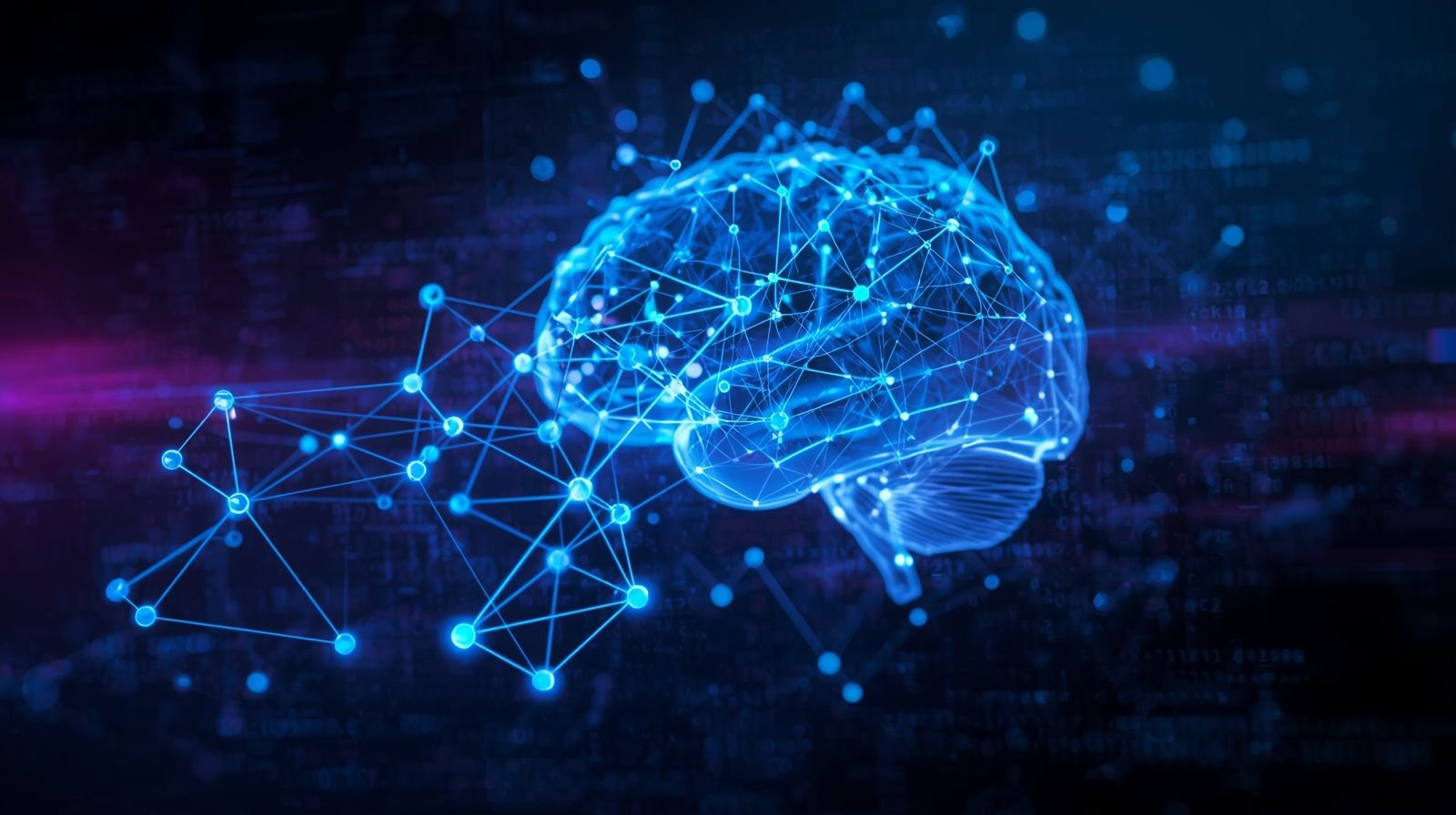
The technology mimics how human brains process information daily. Robots recognize patterns, make predictions, and adjust actions. Therefore, machines become smarter with every task they complete.
Supervised learning trains robots on labeled example data first. Humans show the robot thousands of correct examples. Moreover, the robot learns to recognize similar patterns afterward.
A robot learning to sort packages uses supervised learning. It sees labeled images of different box types. Therefore, it identifies and sorts new packages correctly.
Unsupervised learning finds hidden patterns without human labels though. The robot discovers groupings and relationships independently in data. Furthermore, this helps robots understand complex unstructured information better.
Reinforcement learning works through trial and error methods only. Robots receive rewards for correct actions taken successfully. Also, they get penalties for mistakes made along the way.
Robots use cameras to capture visual information continuously always. They see objects, people, and environments around them. Moreover, computer vision processes these images for understanding quickly.
Sensors detect touch, temperature, pressure, and vibration constantly throughout. This data tells robots about physical interactions happening now. Therefore, they respond appropriately to their surroundings safely.
Microphones capture sound and speech from people nearby actively. Natural language processing understands what humans say to them. Furthermore, robots follow voice commands and answer questions naturally.
Accelerometers measure movement, speed, and orientation in space. GPS provides location data for navigation purposes outdoors clearly. Also, LiDAR creates 3D maps of environments precisely.
The Feedback Loop Makes Robots Smarter
Machine learning creates a continuous improvement cycle for robots. First, the robot collects data from its environment. Then it processes information using algorithms that analyze patterns.
Next, the robot makes predictions based on data. It takes action according to those predictions made confidently. However, it then measures results from the action.
The robot compares actual results to expected outcomes. It identifies mistakes and adjusts its approach accordingly next. Therefore, performance improves with every single attempt made.
This feedback loop happens automatically without human intervention needed. Robots learn faster than humans in some ways. Moreover, they never forget lessons once learned completely.
Over 60% of machine learning applications involve vision systems. Robots must see and understand their world to work. Also, computer vision makes this possible through algorithms.
Deep learning analyzes images layer by layer for understanding. Early layers detect simple edges and shapes quickly. However, deeper layers recognize complex objects and scenes.
Robots use vision for object recognition in warehouses. They identify products, read barcodes, and track inventory. Therefore, package sorting becomes faster and more accurate.
Quality inspection relies heavily on computer vision systems always. Robots spot defects humans might miss on production lines. Furthermore, they work 24/7 without fatigue affecting performance.
Self-driving cars use vision to navigate roads safely daily. They detect lanes, signs, pedestrians, and other vehicles. Moreover, machine learning helps them make split-second driving decisions.
Natural Language Processing for Communication
Natural language processing lets robots understand human speech clearly. They interpret commands, questions, and conversations naturally happening around. Also, they respond appropriately using synthesized speech outputs.
Service robots in hospitals use NLP extensively for patients. They answer questions, provide directions, and offer information. Therefore, staff focus on more complex medical tasks.
Retail robots help customers find products in stores. They understand questions about locations and inventory levels. Furthermore, they offer recommendations based on customer preferences shown.
Machine learning improves NLP accuracy over time steadily always. Robots learn regional accents, slang, and conversation contexts. Moreover, interactions become more natural and helpful continuously.
Machine learning helps robots plan efficient movements through spaces. They calculate the best routes around obstacles present. Also, they adjust plans when environments change suddenly.
Traditional path planning uses fixed algorithms that work. However, machine learning adapts to unexpected situations better. Therefore, robots navigate crowded dynamic environments successfully now.
Warehouse robots optimize routes to retrieve items faster. They learn traffic patterns and avoid congestion areas. Furthermore, delivery times decrease while efficiency increases dramatically.
Surgical robots use machine learning for precise movements. They plan tool paths that avoid damaging tissues. Moreover, they adapt to patient anatomy variations during procedures.
Drones adjust flight paths based on weather conditions. Machine learning predicts turbulence and finds smooth routes. Also, delivery drones reach destinations safely and quickly.
Imitation Learning from Human Demonstrations
Robots learn complex tasks by watching humans work. This reduces programming time significantly for new tasks. Moreover, non-experts can teach robots without coding knowledge.
A person demonstrates assembling a product several times. The robot records every movement and decision made. Therefore, it replicates the process independently afterward successfully.
Imitation learning works well for delicate manipulation tasks. Robots learn to handle fragile objects without breaking. Furthermore, they pick up subtle techniques through observation.
This approach transfers human expertise to machines efficiently. Skilled workers teach robots their best practices quickly. Also, robots scale that expertise across multiple locations.
Robots create their own training data without humans. They explore environments and learn from what happens. Moreover, this autonomous learning accelerates skill development dramatically.
A robot arm practices grasping random objects repeatedly. It learns which approaches work for different shapes. Therefore, grasping skills improve without labeled training examples.
Self-supervised learning reduces dependence on human annotators completely. Creating labeled datasets is expensive and time-consuming always. However, robots generate unlimited practice data themselves freely.
This method works especially well for manipulation tasks. Robots try thousands of variations to find solutions. Furthermore, they discover techniques humans never explicitly taught them.
Collaborative Robots Learn Alongside Humans
Cobots work safely next to people on factory floors. Machine learning helps them understand human intentions and movements. Also, they adjust behavior to coordinate tasks smoothly.
These robots interpret gestures and predict human actions. They slow down or stop when people approach. Therefore, workplace accidents decrease significantly with cobots deployed.
Cobots learn optimal collaboration patterns through experience gained. They figure out when to help and wait. Moreover, productivity increases through effective human-robot teamwork daily.
Facial expression recognition helps cobots understand emotional states. They detect frustration, confusion, or satisfaction in workers. Furthermore, robots adjust assistance based on human needs.
Machine learning analyzes sensor data from robots constantly. It detects patterns indicating potential failures coming soon. Also, maintenance happens before breakdowns occur unexpectedly.
Vibration sensors monitor motors and mechanical components always. Unusual patterns signal developing problems early on time. Therefore, repairs happen during scheduled downtime only.
Temperature changes indicate overheating or friction issues present. Machine learning predicts when parts need replacement accurately. Furthermore, unplanned downtime drops dramatically in factories.
This approach saves money on emergency repairs needed. It extends equipment lifespan through timely maintenance performed. Moreover, production schedules remain uninterrupted by surprise breakdowns.
Swarm Robotics Through Collective Learning
Multiple robots learn together and share knowledge instantly. One robot’s experience benefits the entire fleet immediately. Also, improvements spread across all machines simultaneously today.
Warehouse robot swarms coordinate to optimize overall efficiency. They learn traffic patterns and adjust routes collectively. Therefore, the entire system performs better than individuals.
Cleaning robots in airports share maps they create. New robots instantly know the environment without exploring. Furthermore, they divide work efficiently avoiding duplicate coverage.
Cloud connectivity enables instant knowledge sharing between robots. Updates and improvements deploy to all units automatically. Moreover, the collective intelligence grows faster than individual learning.
Deep learning uses neural networks with many layers. These networks process information hierarchically from simple to complex. Also, they excel at handling unstructured data effectively.
Deep learning enables robots to recognize thousands of objects. They understand scenes and context beyond simple detection. Therefore, robots make smarter decisions in complex situations.
Autonomous vehicles use deep learning for perception tasks. They identify pedestrians, vehicles, and road conditions simultaneously. Furthermore, they predict behavior of other road users.
Manufacturing robots detect subtle product defects using deep learning. They spot issues invisible to human inspectors often. Moreover, quality control becomes more reliable and consistent.
Edge Computing Enables Real-Time Learning
Robots process data locally without cloud connections needed. Edge computing reduces latency for immediate responses required. Also, robots learn and adapt in real-time effectively.
Self-driving cars can’t wait for cloud responses while driving. They process sensor data instantly onboard the vehicle. Therefore, reactions happen within milliseconds for safety always.
Edge machine learning works even without internet connectivity. Robots function in remote locations or underground environments. Furthermore, data privacy improves by keeping information local.
On-device learning will dominate future robotics systems completely. Robots will become more autonomous and responsive than ever. Moreover, they won’t depend on constant network connections.
Virtual environments let robots practice without physical risks. They learn in simulation faster than real-world training. Also, simulated training data is unlimited and free.
MIT’s LucidSim uses generative AI for realistic simulations. Robots train in diverse virtual scenarios endlessly created. Therefore, they transfer skills to reality without adjustment.
Simulation eliminates the sim-to-real gap that plagued robotics. Physics engines combined with AI create realistic experiences. Furthermore, robots achieve expert performance without real-world data.
Dangerous tasks get practiced safely in virtual environments. Robots learn bomb disposal or rescue operations risk-free. Moreover, expensive real-world testing becomes unnecessary often.
Robots integrate vision, touch, sound, and movement data. Multi-modal machine learning creates richer understanding of situations. Also, combining senses improves decision-making accuracy significantly.
A robot picking fruit uses vision and touch. It sees ripeness and feels firmness simultaneously together. Therefore, harvesting decisions are more accurate than vision alone.
Service robots combine speech recognition with facial analysis. They understand not just words but emotional context. Furthermore, responses become more appropriate and helpful naturally.
Multi-modal learning mirrors how humans perceive the world. Robots develop more human-like understanding through this approach. Moreover, they handle ambiguous situations more intelligently now.
Generative AI Changes Robot Programming
Large language models understand natural language instructions given. Programmers describe tasks in plain English instead of code. Also, AI generates the robot control programs automatically.
“Pick up the red box gently” becomes executable code. Generative AI interprets intent and creates appropriate actions. Therefore, non-programmers can configure robots easily themselves.
This technology democratizes robotics for small businesses completely. Companies without robotics expertise deploy automation successfully now. Furthermore, programming time drops from weeks to minutes.
Robots will soon understand complex multi-step instructions verbally. They’ll plan and execute entire workflows from descriptions. Moreover, human-robot collaboration becomes more natural and intuitive.
Current Limitations of Machine Learning in Robotics
Training deep learning models requires massive computational power. Companies need expensive hardware and electricity for training. Also, environmental costs of AI training are substantial.
Data quality determines machine learning success or failure. Biased or incomplete training data creates flawed robots. Therefore, careful data curation remains critically important always.
Explaining robot decisions remains difficult with deep learning. Black box models make decisions without transparent reasoning. Furthermore, this creates trust and safety concerns for users.
Robots still struggle with common sense reasoning humans possess. They don’t understand physics intuitively like children do. Moreover, edge cases and unusual situations confuse them.
Machine learning robots must operate safely around people. They need fail-safe mechanisms for unexpected situations always. Also, certification and testing ensure public safety standards.
Bias in training data creates unfair robot behavior. Facial recognition works poorly on minorities in studies. Therefore, diverse representative training data is essential ethically.
Job displacement from automation affects millions of workers. Society must address retraining and economic transitions needed. Furthermore, ethical deployment considers human welfare beyond profit.
Privacy concerns arise from robots collecting constant data. Cameras and sensors record everything they see continuously. Moreover, data security and usage policies need strong regulation.
Industries Leading Machine Learning Adoption
Logistics and warehousing lead in robot deployment today. Amazon uses thousands of machine learning robots in facilities. Also, efficiency gains justify the substantial investment costs.
Manufacturing increasingly relies on adaptive robots for production. They handle variation in parts without extensive reprogramming. Therefore, flexible manufacturing becomes economically viable now.
Healthcare adopts surgical and care robots with ML. They assist surgeons with precision movements during operations. Furthermore, elder care robots help aging populations maintain independence.
Agriculture uses autonomous tractors and harvesting robots widely. They optimize planting, watering, and harvesting based on data. Moreover, labor shortages make automation necessary for food.
The Future of Machine Learning in Robotics
Neuromorphic computing will make robots more brain-like soon. These chips process information like biological neurons do. Also, they consume far less power than current systems.
Robots will learn continuously throughout their operational lifetimes. They’ll improve from every task and interaction daily. Therefore, capabilities will expand beyond initial programming limits.
Human-robot collaboration will become seamless and natural eventually. Robots will understand context, intent, and emotional states. Furthermore, they’ll be true partners rather than tools.
Explainable AI will make robot decisions transparent finally. Users will understand why robots make specific choices. Moreover, trust in autonomous systems will increase dramatically.
Boston Dynamics robots use machine learning for balance. Their humanoid and dog-like robots navigate rough terrain. Moreover, they recover from pushes and obstacles dynamically.
Tesla’s self-driving system learns from millions of vehicles. Every Tesla contributes data to improve the fleet. Therefore, the system gets smarter with every mile driven.
Amazon warehouse robots sort millions of packages daily. They learn optimal paths and avoid collisions automatically. Furthermore, efficiency increases while errors decrease over time.
NVIDIA develops AI platforms specifically for robotics applications. Their Jetson modules power autonomous machines worldwide today. Also, they provide software tools for ML development.
Machine Learning in Space Exploration
Mars rovers use machine learning for autonomous navigation. They analyze terrain and plan safe paths independently. Moreover, communication delays make autonomous operation essential there.
Satellite robots perform maintenance and repairs in orbit. Machine learning helps them grasp and manipulate objects. Therefore, expensive space missions become more reliable and safe.
Future space robots will explore extreme environments alone. They’ll learn to handle unexpected situations without human help. Furthermore, ML enables exploration beyond communication range limits.
Medical Robotics Advances Through Learning
Surgical robots learn from thousands of recorded procedures. They identify optimal techniques for different patient anatomies. Also, outcomes improve as systems gain more experience.
Rehabilitation robots adapt exercises to patient progress shown. Machine learning personalizes therapy for faster recovery times. Therefore, patients regain mobility more effectively than before.
Pharmacy robots use ML for accurate medication dispensing. They learn to handle different pill shapes and bottles. Furthermore, errors in medication preparation drop dramatically now.
Agricultural Robots Transform Farming
Autonomous tractors learn field layouts and conditions quickly. They optimize planting patterns based on soil analysis. Moreover, crop yields increase through precise automated farming.
Harvesting robots identify ripe produce using computer vision. Machine learning distinguishes ready fruit from unripe ones. Therefore, picking happens at optimal times for quality.
Weeding robots target invasive plants without harming crops. They learn to distinguish weeds from valuable plants. Furthermore, chemical herbicide use decreases significantly with robots.
Drones monitor crop health across large farm areas. Machine learning detects disease and pest problems early. Also, farmers intervene before issues spread and damage.
Retail and Customer Service Applications
Store robots help customers find products they need. Natural language processing understands questions asked naturally verbally. Moreover, they provide personalized recommendations based on preferences.
Inventory robots scan shelves and track stock levels. Machine learning predicts when restocking is needed ahead. Therefore, stores maintain optimal inventory without overstocking items.
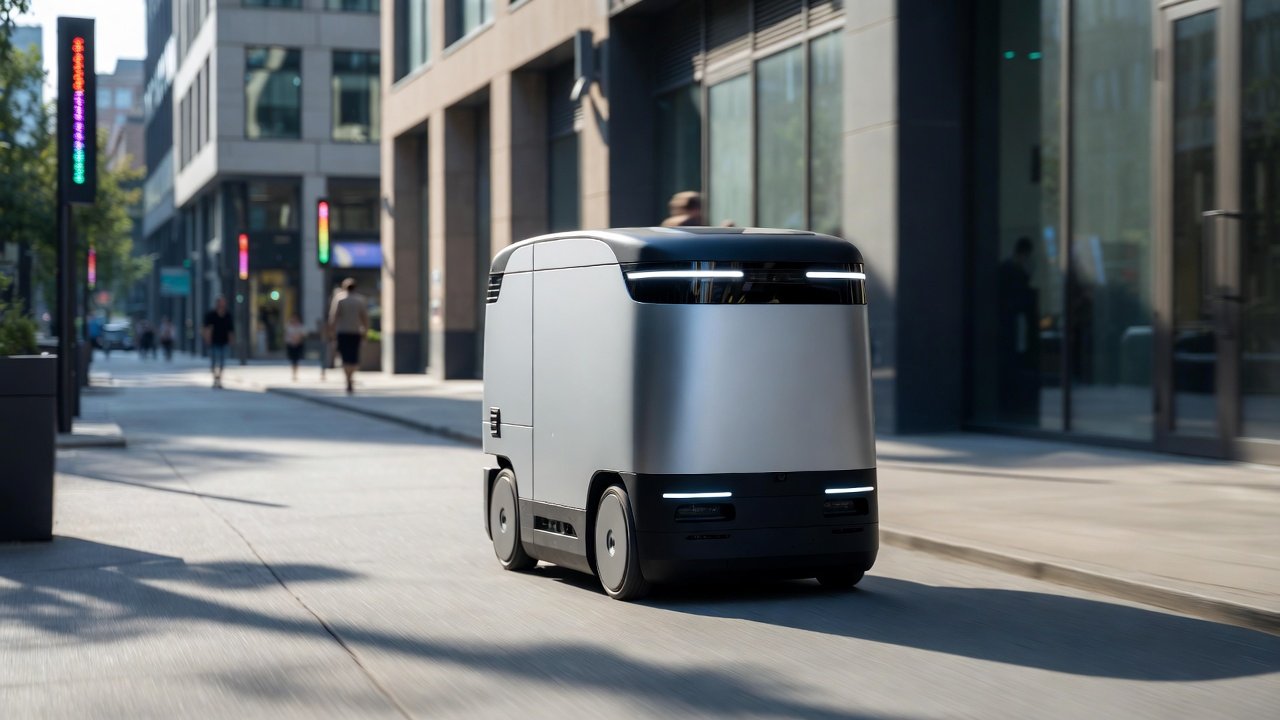
Delivery robots navigate sidewalks to bring food and packages. They learn pedestrian traffic patterns in neighborhoods served. Furthermore, autonomous delivery reduces costs and increases speed.
Construction and Infrastructure Inspection
Construction robots learn to perform repetitive tasks like bricklaying. They work faster and more consistently than humans. Also, dangerous construction work becomes safer with robots.
Bridge inspection robots use ML to detect structural damage. They analyze images for cracks and corrosion signs. Therefore, maintenance happens before failures occur catastrophically ever.
Drone inspections of power lines identify problems early. Machine learning spots damaged insulators and vegetation issues. Furthermore, utility companies prevent outages through proactive maintenance.
Education and Research Applications
Educational robots teach children programming and problem-solving skills. They adapt difficulty based on student progress shown. Moreover, personalized learning improves educational outcomes significantly always.
Research labs use robot assistants for repetitive experiments. Machine learning optimizes experimental parameters automatically overnight continuously. Therefore, scientific discovery accelerates through automated research methods.
Library robots retrieve books and organize collections efficiently. They learn optimal routes through shelving systems installed. Furthermore, librarians focus on helping patrons instead of shelving.
Investment and Market Growth
The robotics market grows by billions annually worldwide. Machine learning drives most of this growth directly. Moreover, investors pour money into ML robotics startups.
Companies recognize competitive advantages from automation adoption. Early movers gain efficiency benefits over competitors lagging. Therefore, investment in ML robotics accelerates across industries.
Venture capital funds target promising robotics companies actively. Acquisitions of robotics startups by tech giants increase. Furthermore, the industry consolidates around key technologies proven.
Regulatory and Standards Development
Governments develop safety standards for autonomous robots worldwide. Testing and certification ensure public safety requirements met. Also, liability frameworks determine responsibility for robot actions.
Privacy regulations address data collected by robots constantly. Rules limit what information robots can record and share. Furthermore, transparency requirements protect individual privacy rights always.
Getting Started with Machine Learning Robotics
Learn Python programming as the foundation for ML. TensorFlow and PyTorch frameworks enable robot learning projects. Also, online courses teach robotics and ML together.
Raspberry Pi and Arduino kits provide affordable hardware. You can build and program simple learning robots. Therefore, beginners experiment without expensive equipment needed.
Robot Operating System (ROS) standardizes robot software development. It integrates with machine learning libraries easily today. Furthermore, a large community provides support and resources.
Start with simple projects like object recognition robots. Gradually progress to more complex navigation and manipulation. Moreover, hands-on experience teaches faster than theory alone.
Join online communities like Reddit’s robotics forums actively. Share projects and learn from experienced developers there. Also, hackathons and competitions provide learning opportunities always.
Conclusion
Machine learning transforms robots from rigid machines to adaptive systems. They learn from experience and improve continuously over time. Moreover, this technology enables robots to handle complex tasks.
The field advances rapidly with new breakthroughs monthly now. Early adoption provides competitive advantages for businesses today. Therefore, understanding machine learning in robotics matters increasingly more.
Robots will become ubiquitous in society within years ahead. They’ll work alongside humans in every industry imaginable. Furthermore, machine learning makes this future possible and safe.
The journey from programmed machines to learning systems continues. Each advancement brings robots closer to human-like adaptability. Moreover, the potential for positive impact grows exponentially.