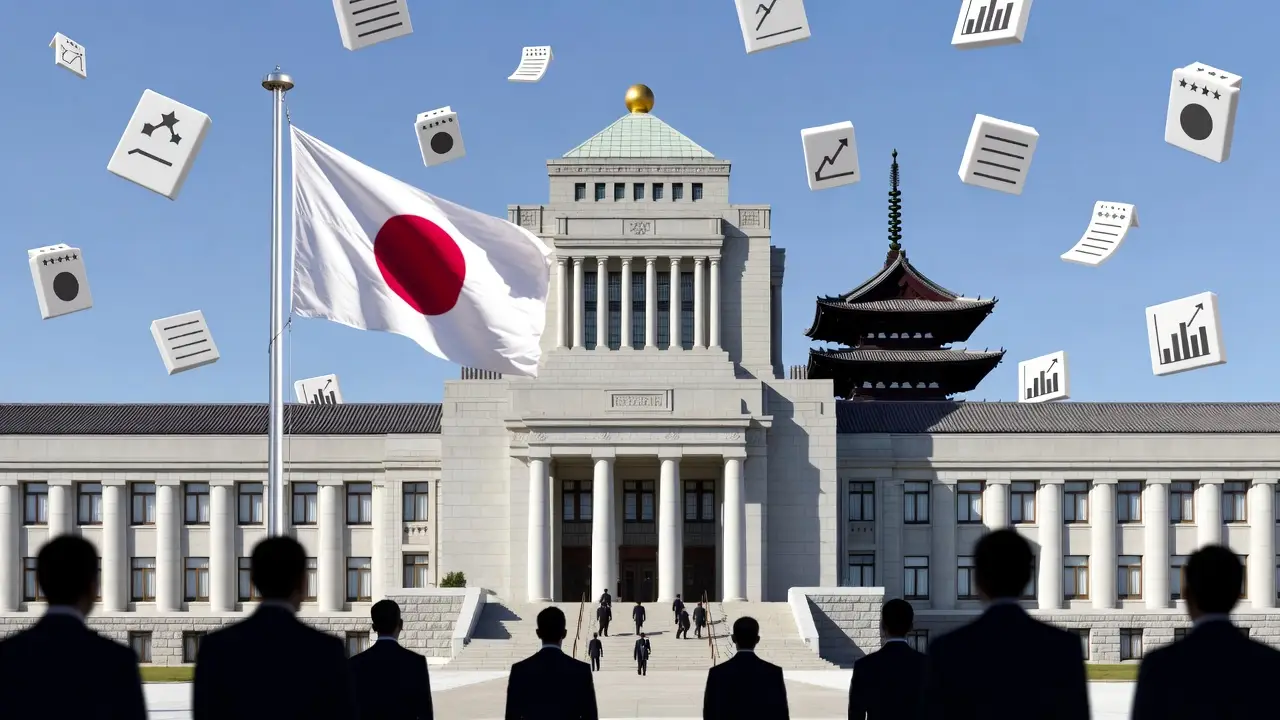
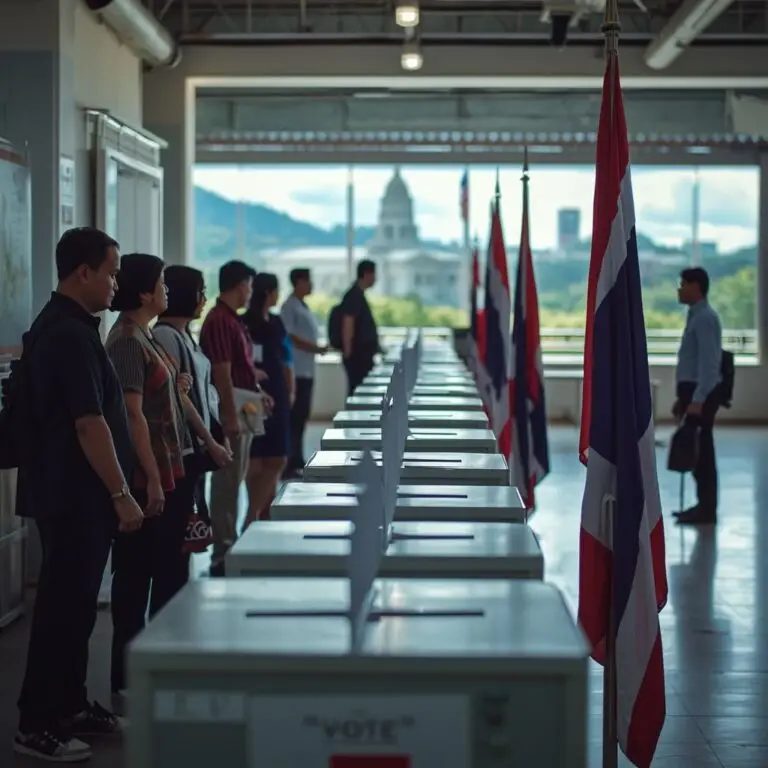
The Japan election delivers a decisive supermajority for Prime Minister Sanae Takaichi’s coalition. The governing party secures two-thirds control of Parliament granting extraordinary legislative power. This Japan election outcome reshapes Japanese politics and regional dynamics significantly for years ahead.
Historic Victory for Takaichi Coalition
Prime Minister Sanae Takaichi becomes Japan’s first female leader with supermajority backing. Her coalition surpasses the crucial two-thirds threshold in both parliamentary chambers. This margin allows constitutional amendments without opposition party support theoretically.
The Liberal Democratic Party strengthens its decades-long dominance of Japanese politics. Coalition partner Komeito maintains its seat count providing stable partnership. Together they command unprecedented legislative authority rarely seen in democracies.
Voter turnout reaches surprising levels for Japanese elections typically marked by apathy. Economic concerns and security issues motivated citizens to participate actively. The result represents a clear mandate for the government’s agenda.
What Supermajority Means for Governance
Two-thirds control enables constitutional revision without referendum requirements in some cases. Takaichi’s government can push through controversial reforms facing minimal obstacles. Opposition parties lose veto power over most legislative initiatives completely.
Budget passage becomes automatic without need for lengthy negotiations or compromises. The government implements spending priorities and tax policies swiftly now. Economic stimulus and defense spending increases face no parliamentary resistance.
Judicial appointments and senior bureaucrat selections proceed without opposition interference. The ruling coalition shapes institutions according to its vision unilaterally. This concentration of power raises concerns among democratic watchdog organizations.
Takaichi’s Policy Priorities
Constitutional revision tops the Prime Minister’s legislative agenda immediately following victory. She seeks to remove pacifist Article 9 restrictions on military operations. This change would allow Japan to maintain full offensive military capabilities.
Defense spending increases to two percent of GDP as committed previously. Military modernization accelerates with purchases of advanced weapons systems internationally. Japan positions itself as major regional security provider alongside America.
Economic stimulus packages target deflation and stagnant wage growth persistently. Corporate tax reforms encourage domestic investment and innovation spending significantly. The government pursues aggressive monetary easing despite inflation concerns elsewhere.
Regional Security Implications
China watches Japan’s military expansion with growing concern and suspicion. Enhanced Japanese capabilities alter East Asian power balance calculations fundamentally. Beijing views constitutional changes as threat to regional stability directly.
Taiwan welcomes stronger Japanese defense posture as deterrent against Chinese aggression. Unofficial security cooperation between Tokyo and Taipei deepens quietly gradually. Japan becomes critical player in Taiwan Strait contingency planning.
South Korea maintains complicated relationship with increasingly assertive Japan militarily. Historical grievances complicate security cooperation despite shared threats from China. The supermajority enables Takaichi to pursue policies without Seoul’s approval.
Economic Policy Direction
Fiscal stimulus continues despite Japan’s massive existing government debt burden. Takaichi argues growth generates revenue justifying continued deficit spending indefinitely. Modern Monetary Theory influences her economic thinking and policy approaches.
Corporate governance reforms push companies toward higher wages and investment. Shareholders face pressure to prioritize long-term growth over dividend payments. These changes aim to break Japan’s decades-long deflationary psychology.
Immigration policy remains restrictive despite severe labor shortage problems nationwide. The government prefers automation and productivity improvements over foreign workers. This stance reflects conservative coalition base preferences strongly held always.
Opposition Party Challenges
Opposition fragmentation enables LDP dominance despite legitimate policy disagreements existing. Multiple left-leaning parties split anti-government votes reducing their effectiveness completely. Calls for opposition unity face ideological and personality conflicts regularly.
Constitutional Democratic Party struggles to articulate compelling alternative vision for Japan. Voters view opposition as reactive critics rather than credible alternative government. Leadership changes fail to improve electoral performance or public appeal.
Younger opposition politicians advocate for progressive social policies attracting urban voters. However, rural areas dominating seat allocation favor conservative candidates consistently. Electoral system structure advantages ruling party beyond popular vote percentages.
Public Opinion and Concerns
Democratic accountability worries emerge as single party controls all branches effectively. Checks and balances weaken when opposition cannot block any legislation realistically. Civil society organizations raise alarms about potential authoritarian drift gradually.
Press freedom advocates note increasing government pressure on critical media outlets. Public broadcaster NHK faces political interference in editorial decisions allegedly often. Independent journalism struggles financially making it vulnerable to influence attempts.
However, many voters express satisfaction with stable governance after political turbulence. Economic pragmatism outweighs democratic theory concerns for most Japanese citizens. Results matter more than process for electorate focused on prosperity.
International Reactions
United States welcomes stronger Japanese defense capabilities and regional leadership role. Washington encourages constitutional changes enabling greater military cooperation between allies. American strategy relies heavily on empowered Japanese partnership increasingly now.
European democracies express cautious concern about concentrated political power in Tokyo. Democratic norms require robust opposition and institutional checks they argue publicly. However, strategic interests prevent strong criticism of important Asian partner.
Future Political Landscape
Supermajority likely lasts full parliamentary term barring major scandals or crises. Opposition needs years to rebuild competitiveness through reorganization and renewal. Japanese politics enters extended period of single-party dominance predictably ahead.
Takaichi’s successor selection becomes critical question for LDP internal dynamics soon. Factional battles within ruling party matter more than opposition challenges externally. The next generation of conservative leaders positions themselves for future leadership.
Conclusion
Japan election results grant Takaichi unprecedented power to reshape the nation fundamentally. Constitutional revision and military expansion proceed without significant domestic obstacles now. This supermajority victory marks potential turning point in postwar Japanese history.
Democratic health depends on responsible exercise of concentrated power by winners. Opposition must rebuild credibility while ruling coalition governs with restraint ideally. Japan’s political evolution influences regional stability and global democratic trends significantly.