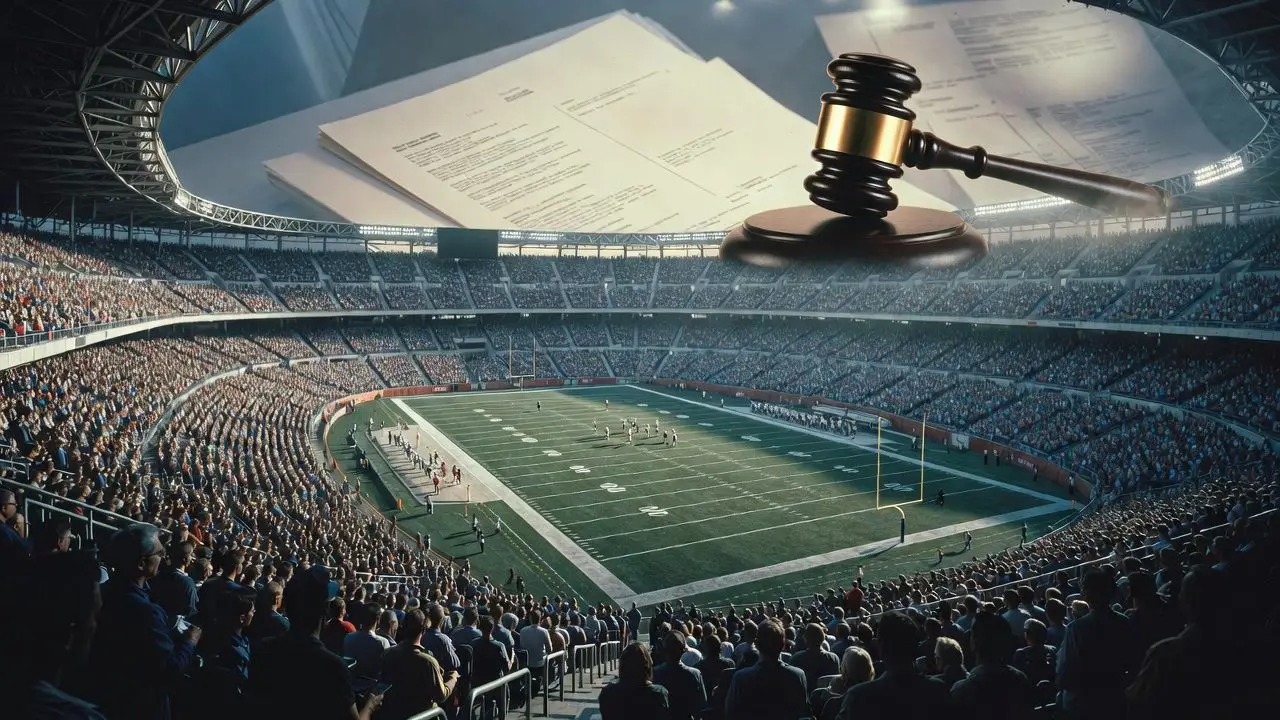
The NFL won a major legal grievance on Friday, February 13, 2026. The ruling effectively bans the NFLPA from publishing player report cards. This ends a transparency practice that started in 2023.
Fans and players are furious. Many see this as billionaire owners avoiding accountability.
What Were the Report Cards?
Since 2023, the NFLPA conducted anonymous surveys of players. They asked about facilities, treatment, coaching, travel, food, family support, and more.
The results were published as team report cards. Each team received grades from A to F across multiple categories.
Players loved them. Cardinals tackle Kelvin Beachum called them “a great assessment of how players really feel.” He noted that players are “in these buildings every single day.”
Steelers defensive lineman Cameron Heyward added, “I think to stop it, it just kind of feels like you’re hiding something.”
The public loved them too. They provided rare insight into how NFL organizations actually treat their employees.
Why the NFL Fought Back
The NFL argued the report cards violated the Collective Bargaining Agreement. Specifically, a clause requiring both sides to “curtail public comments by club personnel or players which express criticism of any club.”
An arbitrator sided with the NFL. The ruling bans future surveys from being published publicly.
Teams can still collect feedback directly from players. But the public won’t see the results.
The NFL’s Management Council will work with the NFLPA to design a survey focused only on “adequacy of medical care under the CBA.”
The Jets Factor
New York Jets owner Woody Johnson reportedly led the charge to end the report cards. His team received an F grade in the 2025 report cards.
Johnson called the rankings “bogus.” He was furious about public criticism.
Other owners with poor grades also pushed for elimination. They didn’t want accountability. They wanted silence.
What Fans Are Saying
The reaction online was swift and angry. Fans see this as owners protecting their egos.
“I mean we’re all on the same page that this is terrible for the league right?” one user remarked. “Owners can’t be held accountable for their apathetic working conditions by the public?”
Another mocked: “Billionaires got mad that they were told they were being cheap and not investing in the team/facilities.”
A third suggested: “The Athletic or Ringer or anyone not afraid of the NFL can just do the same thing and anonymously survey players.”
“God forbid owners face the same public scrutiny players get weekly,” wrote another. “Rules for thee, golden parachute for me.”
The Transparency Problem
This ruling continues a troubling pattern. The NFL and NFLPA recently hid a 61-page collusion grievance ruling from public view.
That case involved evidence that league executives urged teams to reduce guaranteed player compensation. But the ruling remains secret under a confidentiality agreement.
The NFL operates as a private system for resolving disputes. When cases would be public in court, the league keeps them hidden.
Pro football is inherently public. It has millions of customers. It receives billions in taxpayer money. It enjoys federal antitrust exemptions.
Yet it operates with minimal transparency when convenient.
What Players Lose
Players lose leverage for workplace improvements. The report cards created public pressure on poorly-run organizations.
Some teams responded positively. They upgraded facilities. They improved travel accommodations. They enhanced family support programs.
Now that public pressure disappears. Owners can ignore player feedback without consequence.
Players still have internal feedback mechanisms. But without public scrutiny, change happens slower.
What Fans Lose
Fans lose insight into how their favorite teams operate. The report cards revealed which organizations treated players well and which didn’t.
This information helped fans understand why players wanted trades or refused to re-sign. It provided context for roster decisions.
Now fans are back in the dark. Teams control the narrative entirely.
The NFLPA’s Position
The NFLPA had already collected surveys for 2026 report cards. Those results exist but can’t be published.
The union expressed disappointment but accepted the ruling. They’re bound by the arbitrator’s decision.
Some wonder why the NFLPA agreed to language in the CBA that allowed this outcome. Others question whether they fought hard enough.
The union maintains that transparency benefits players. But they must work within CBA constraints.
The Bigger Picture
This ruling reflects broader labor-management dynamics. Billionaire owners wield enormous power. They don’t like criticism. They especially don’t like public criticism.
The CBA heavily favors ownership. The NFLPA has limited leverage. Players have short careers. They need to earn while they can.
This power imbalance enables owners to avoid accountability. The report card ban is just one example.
What Happens Next
Independent media outlets could conduct similar surveys. The Athletic, ESPN, or others could anonymously poll players.
The NFL can’t stop independent journalism. They can only prevent the union from publishing.
This workaround could restore some transparency. But it requires media organizations willing to invest resources.
Players could speak out individually. But this carries risk. Teams punish players who criticize organizations publicly.
The Bottom Line
The NFL won this legal battle. But they may lose the PR war. Fans see through this decision. They understand what it represents.
Billionaire owners don’t want accountability. They don’t want scrutiny. They want control without criticism.
The report cards were working. Teams were improving. Players had leverage.
Now that’s gone. Transparency took a major hit. The NFL’s commitment to player welfare rings hollow.
Watch for independent media to fill the gap. The information matters too much to stay hidden forever.