The Winter Olympics are meant to celebrate unity, competition, and athletic excellence. But time and again, political controversy at the Winter Olympics has stolen headlines. From diplomatic boycotts to protests on the world stage, global politics often finds its way into the games.
This article breaks down why political controversy keeps appearing at the Winter Olympics, how it impacts athletes, and what it means for the future of international sports.
Why Political Controversy Appears at the Winter Olympics
The Olympics bring together nations from around the world. That visibility makes the event powerful. Governments know this. As a result, political messages often surface during the games.
Political controversy at the Winter Olympics usually comes from:
Diplomatic boycotts
Human rights concerns
Athlete protests
International conflicts
Even though the International Olympic Committee (IOC) promotes neutrality, politics and sports are difficult to separate.
Famous Examples of Political Controversy at the Winter Olympics
Diplomatic Boycotts
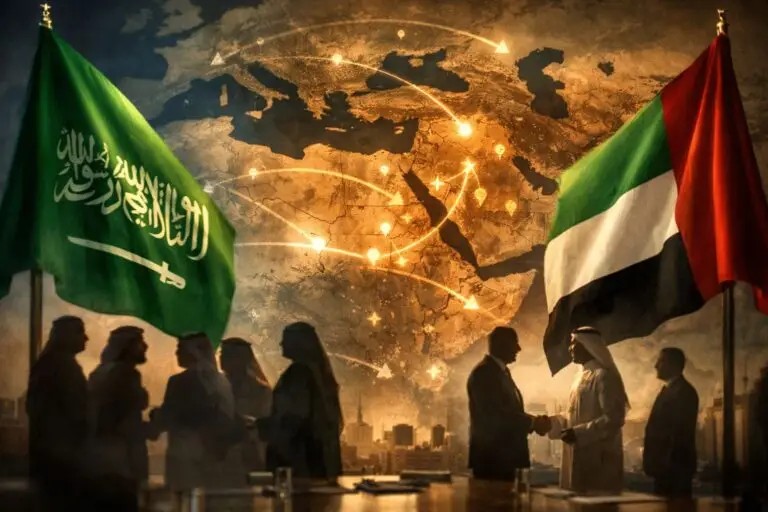
In recent Winter Olympics, some countries chose diplomatic boycotts instead of full athletic bans. Athletes competed, but government officials stayed home. These moves were meant to send political messages without punishing athletes.
Athlete Protests
Some athletes have used the global stage to express political or social views. This often sparks debate. Supporters call it freedom of expression. Critics argue it distracts from sports.
Hosting Controversies
The selection of host countries has also caused political controversy. Critics often point to human rights issues, press freedom, or international tensions surrounding host nations.
How Political Issues Affect Athletes
Athletes are often caught in the middle. They train for years. Then politics enters the picture.
Many athletes report:
Increased pressure
Media distractions
Mental stress
Despite this, most athletes say they want the focus to remain on competition, not controversy.
The IOC’s Stance on Politics
The IOC officially bans political statements during competitions and medal ceremonies. The goal is to keep the Olympics neutral.
However, enforcement has not always been consistent. This has led to criticism from both sides. Some say the rules are too strict. Others say they are too flexible.
Public Reaction and Media Coverage
Political controversy at the Winter Olympics often dominates headlines. Social media makes reactions faster and louder.
Public opinion is usually divided:
Some fans support political statements
Others want sports to stay apolitical
Media coverage amplifies the debate and keeps the controversy alive long after the games end.
What This Means for Future Winter Olympics
Political controversy is unlikely to disappear. Global tensions are rising, not shrinking.
Future Winter Olympics may face:
Stricter rules on expression
More diplomatic pressure
Increased scrutiny of host countries
Balancing global politics and fair competition will remain a major challenge.
Final Thoughts
Political controversy at the Winter Olympics shows how powerful sports can be. The games reflect the world as it is, not as we wish it to be. While controversy can distract from athletic achievement, it also highlights real global issues.
The challenge moving forward is finding a balance—one that respects athletes, protects free expression, and preserves the Olympic spirit.
FAQs: Political Controversy at the Winter Olympics
Why is there political controversy at the Winter Olympics?
Because the Olympics are a global event, governments and individuals often use the platform to highlight political or social issues.
Are political protests allowed at the Winter Olympics?
The IOC restricts political statements during competitions and ceremonies, but enforcement varies.
Do political controversies affect athletes?
Yes. Many athletes experience stress, distractions, and media pressure due to political issues.
Can countries boycott the Winter Olympics?
Yes. Some countries choose diplomatic boycotts while still allowing athletes to compete.
Will politics always be part of the Olympics?
Most experts believe politics and global sports will always be connected in some way.