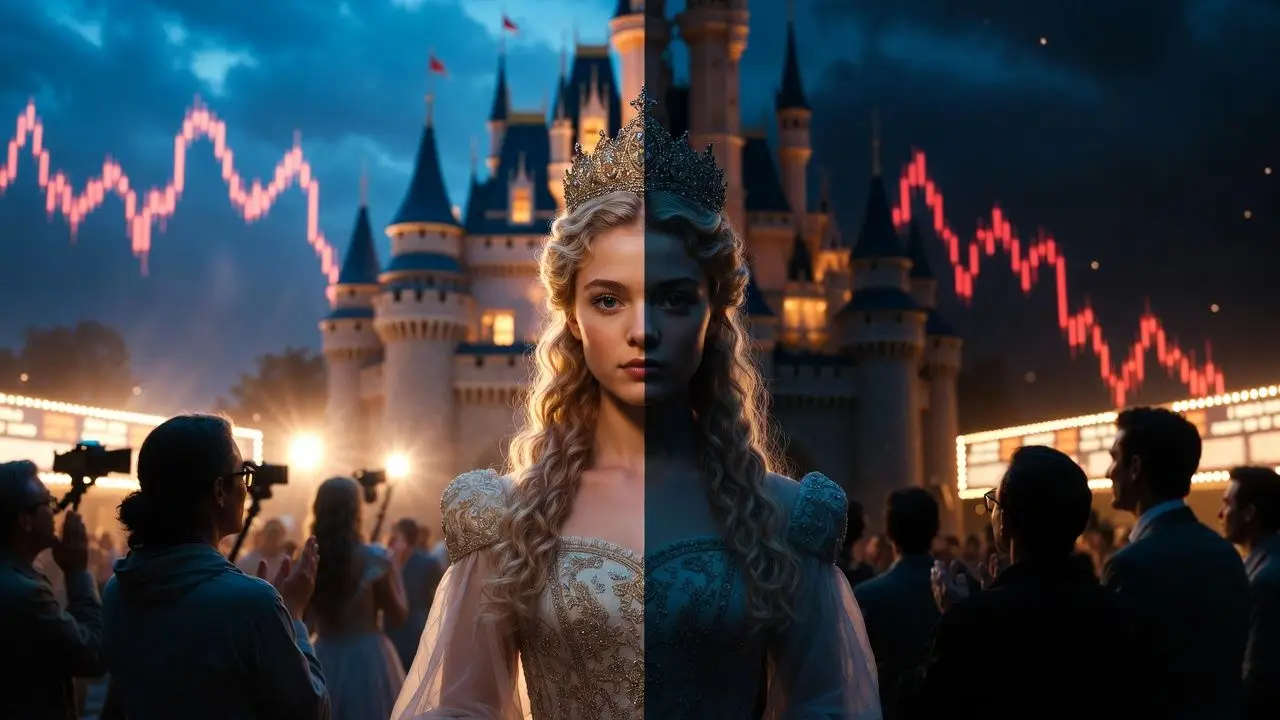
The Snow White flop marks Disney’s most expensive box office disaster in recent years. The live-action remake lost an estimated $170 million after disappointing ticket sales. This Snow White flop ignites debate about Disney’s remake strategy and controversial casting decisions.
Box Office Numbers Tell the Story
Snow White earned only $350 million globally against a massive production budget. Marketing costs pushed total expenses above $400 million for the film. The theatrical run ended far below break-even point causing significant losses.
Opening weekend delivered disappointing numbers signaling trouble immediately from the start. International markets performed even worse than domestic sales surprisingly throughout. The film failed to connect with audiences across all demographics.
Disney pulled the movie from theaters earlier than planned after weeks. Streaming release moved forward to minimize continuing financial damage quickly. The company rarely admits failure so publicly with major releases.
Production Budget Breakdown
The production budget exceeded $270 million making it extremely expensive. CGI for the seven dwarfs consumed enormous resources and costs. Reshoots after initial test screenings added tens of millions more.
Marketing campaigns cost an additional $100-150 million globally estimated conservatively. Disney promoted the film heavily across all platforms and media. Despite massive spending, audiences remained uninterested or actively hostile toward it.
Star salaries and production delays increased costs beyond initial projections significantly. The film spent years in development before finally reaching theaters. Extended timelines always inflate budgets in the film industry.
Controversy Fueled Negative Attention
Casting decisions sparked immediate backlash when first announced publicly years ago. Critics questioned departures from original animated film’s character portrayals specifically. Social media debates dominated discussion before anyone saw actual footage.
Lead actress Rachel Zegler’s comments about the original film created problems. Her critiques of the 1937 classic alienated traditional Disney fans. Public relations damage control failed to contain the spreading negative sentiment.
The removal of traditional seven dwarfs for CGI characters angered audiences. Fans felt Disney destroyed beloved characters for political correctness unnecessarily. This decision became rallying point for film’s critics vocally online.
Why Live-Action Remakes Are Struggling
Audiences grow tired of Disney’s endless remake strategy lacking originality. The Lion King and Aladdin succeeded but recent attempts fail consistently. Diminishing returns suggest the remake formula reached saturation point finally.
Original animated films hold nostalgic value impossible to recreate or improve. Changes to beloved stories often backfire regardless of intentions behind them. Fans want faithful adaptations not modern reimaginings of classics.
Streaming availability of original films reduces theatrical urgency for remakes. Why pay theater prices when the original streams at home? The value proposition weakens when originals remain easily accessible constantly.
CGI Seven Dwarfs Technical Problems
Computer-generated dwarfs looked uncanny and artificial in promotional materials released. Test audiences complained the characters felt lifeless compared to originals. Technical execution failed to justify the controversial creative decision made.
The CGI budget alone could have funded several original films entirely. Disney prioritized technical achievement over storytelling and emotional connection crucially. This misallocation of resources contributed to the film’s ultimate failure.
Comparing to Successful Disney Remakes
Beauty and the Beast earned over $1.2 billion respecting source material. The film made modest updates while honoring the original’s spirit. Faithful adaptation proved more successful than radical reimagining approaches attempted.
The Lion King generated massive returns despite mixed critical reception overall. Visual spectacle and unchanged story attracted audiences globally in numbers. Audiences wanted familiar stories with improved visuals not wholesale changes.
Lessons for Disney Moving Forward
Original content investment matters more than recycling past successes endlessly now. Audiences crave fresh stories not reimagined versions of classics repeatedly. Disney’s creative pipeline needs diversification beyond remake strategy clearly moving ahead.
Listening to core audiences prevents costly mistakes like Snow White happened. Market research and fan sentiment should guide creative decisions better. Ignoring audience preferences risks alienating the customer base supporting the company.
Political and social commentary in family entertainment requires careful handling always. Taking strong positions on controversial issues divides potential audiences unnecessarily often. Disney must balance values with commercial viability in all projects.
Impact on Disney’s Bottom Line
The $170 million loss affects quarterly earnings and shareholder confidence significantly. Stock analysts downgrade Disney following the disappointing performance publicly announced recently. Financial consequences extend beyond just this single film’s failure alone.
Future live-action remake budgets will face increased scrutiny from executives. Green-lighting expensive projects becomes harder after such spectacular failure occurs. The company must demonstrate better project selection and risk management.
What Happens to Planned Remakes
Other live-action remakes in development face potential cancellation or delays. Disney reassesses its entire remake strategy given Snow White’s failure. Some projects may proceed but with reduced budgets and expectations.
Lilo & Stitch, Moana, and other planned remakes could be affected. Studios often overcorrect after major failures changing successful strategies unnecessarily. Finding the right balance between caution and confidence proves challenging.
Streaming Strategy Questions
Quick streaming releases for theatrical failures become standard practice now. Disney+ benefits from adding content but theatrical revenues suffer losses. The company struggles balancing theatrical and streaming priorities across divisions.
Subscribers expect regular content additions justifying monthly subscription fees paid. Failed theatrical releases provide streaming content without additional production costs. However, this approach undermines theatrical business model long-term fundamentally.
Conclusion
Snow White flop represents Disney’s expensive lesson about audience expectations and respect. The $170 million loss forces reevaluation of remake strategy and creative approaches. Future Disney projects must prioritize storytelling over controversy and spectacle.
Hollywood’s remake trend faces reckoning as audiences demand original content. Disney can recover but must learn from this spectacular failure. The entertainment industry watches closely to see how Disney adapts.