Natural disasters—whether hurricanes, earthquakes, floods, or wildfires—can strike without warning, causing devastating damage to lives, property, and communities. In 2026, the frequency and intensity of these events highlight the urgent need for natural disaster preparedness across the globe.
Understanding the Threat
Natural disasters are not limited to one region. Coastal cities face hurricanes and tsunamis, while inland areas contend with floods and tornadoes. Earthquakes and volcanic eruptions can occur along fault lines, and prolonged droughts increase wildfire risks. While we cannot prevent these events, being prepared significantly reduces their impact on human life.
Key Components of Natural Disaster Preparedness
Effective natural disaster preparedness involves planning, education, and community coordination. Here are the main components:
Risk Assessment: Communities must identify the types of disasters most likely to occur in their region. For example, coastal areas need hurricane response plans, while mountainous zones may prioritize landslide or earthquake readiness.
Emergency Planning: Families, schools, and businesses should develop clear emergency plans. This includes evacuation routes, meeting points, and communication strategies to stay connected during crises.
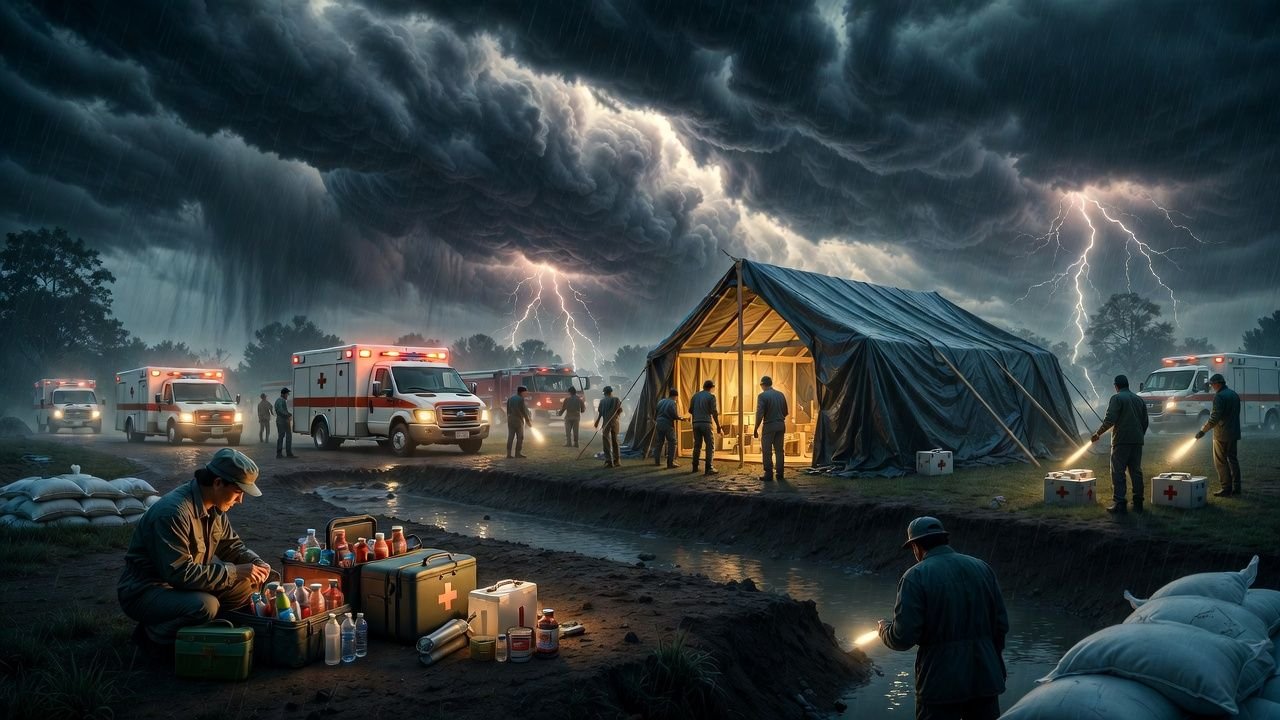
Supplies and Resources: Essential supplies such as water, food, first aid kits, flashlights, and batteries should be stocked. For longer-term emergencies, having tools like portable chargers, emergency blankets, and important documents in waterproof containers can save lives.
Education and Drills: Training programs and practice drills prepare individuals and communities for quick, safe responses. Schools and workplaces can run mock evacuations to build confidence and familiarity with emergency procedures.
Infrastructure and Technology: Governments and local authorities can invest in early warning systems, resilient infrastructure, and flood control mechanisms. Technology like weather apps, alerts, and geospatial mapping enhances response speed and efficiency.
The Role of Community
Preparedness is not just a personal responsibility—it’s a community effort. Neighborhood groups, volunteer organizations, and local governments can collaborate to create emergency shelters, disseminate information, and support vulnerable populations. Strong community networks ensure that no one is left behind during a disaster.
Learning From Past Events
History teaches valuable lessons about the importance of preparation. In recent years, hurricanes in the Atlantic, wildfires in North America, and floods in Asia have caused billions in damages and countless disruptions. Communities with effective emergency plans, early warning systems, and public awareness campaigns experienced fewer casualties and faster recovery.
Global Trends and Climate Change
Climate change is intensifying natural disasters worldwide. Rising temperatures fuel stronger storms, longer droughts, and increased wildfire risks. Sea level rise increases coastal flooding, threatening millions of people. Integrating natural disaster preparedness with climate adaptation strategies is essential for reducing long-term risks.
Governments, scientists, and NGOs are focusing on sustainable solutions. Building resilient infrastructure, improving urban planning, and promoting eco-friendly practices all play a role in mitigating disaster impacts.
Practical Steps for Individuals
Everyone can take steps to improve their readiness:
Stay informed about local weather and hazard alerts.
Maintain an up-to-date emergency kit and go-bag.
Prepare a family communication plan with meeting points.
Participate in community disaster drills.
Learn basic first aid and emergency response techniques.
These simple actions can make a significant difference when seconds matter.
Conclusion
Natural disasters are inevitable, but their consequences don’t have to be catastrophic. By prioritizing natural disaster preparedness, individuals, families, and communities can protect lives, minimize damage, and recover faster. Awareness, planning, and collaboration are the keys to building resilient societies that can withstand the unpredictable challenges of our changing planet.
Preparedness is more than a precaution—it is a responsibility we all share to safeguard our communities and the future.