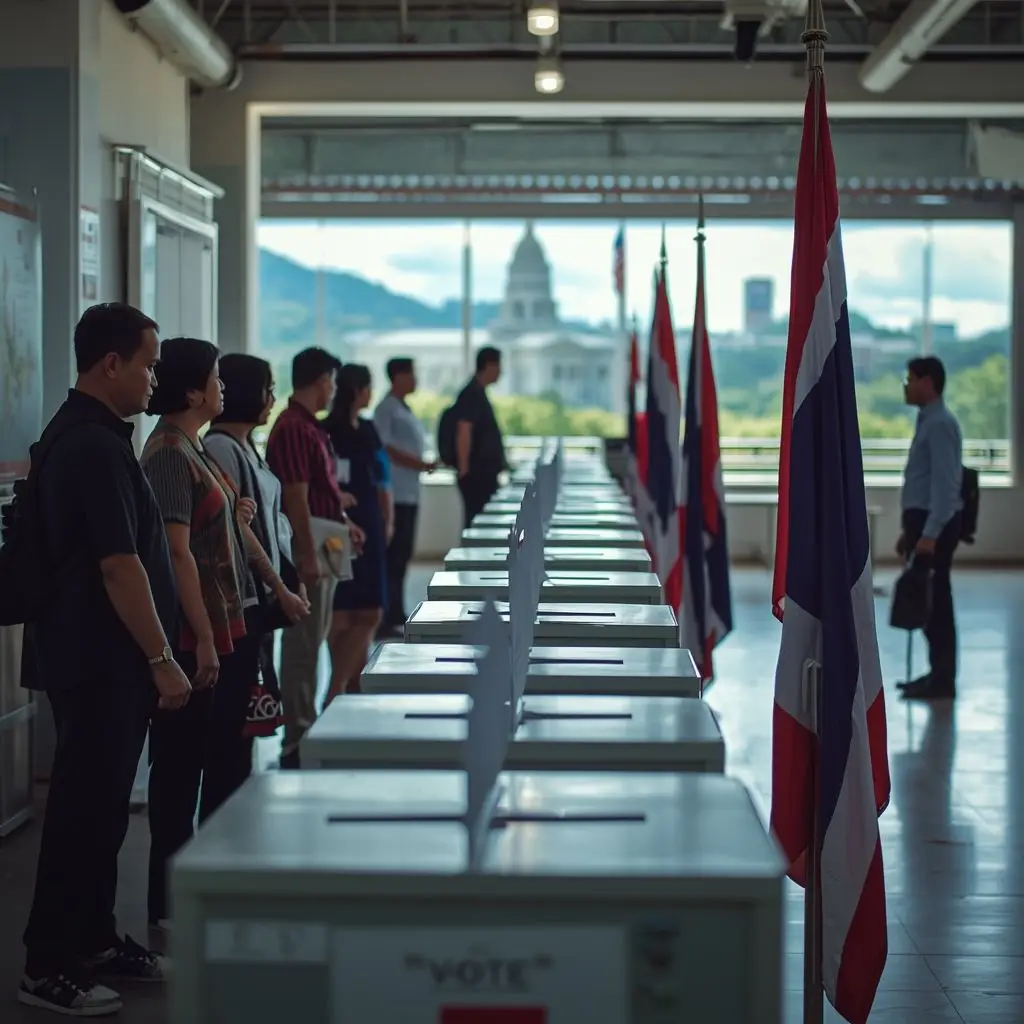
Thailand election preparations intensify as voters prepare for crucial decisions. The upcoming vote determines the country’s political direction for years ahead. This Thailand election carries enormous weight for stability, democracy, and economic prosperity in Southeast Asia.
Political Background and Context
Thailand’s political landscape remains deeply divided after years of turmoil. Military coups and court interventions shaped recent democratic transitions. Citizens seek lasting stability through legitimate electoral processes.
Previous elections faced annulments and legal challenges repeatedly. Trust in democratic institutions requires restoration through fair voting. International observers watch closely to ensure transparent procedures.
Key Parties in the Thailand Election
Progressive parties promise constitutional reforms and military accountability. They attract young voters demanding change and democratic freedoms. Their platforms challenge traditional power structures and elite privileges.
Conservative parties emphasize stability and gradual reform approaches. They maintain support among older voters and rural communities. Establishment backing provides resources but limits reform credibility.
Military-aligned parties defend their role in Thai governance. They argue national security requires their continued political involvement. Critics see them as obstacles to genuine democratic development.
What Voters Care About Most
Economic concerns dominate voter priorities across demographic groups. Inflation and stagnant wages affect household budgets severely. Job creation and income growth determine electoral support patterns.
Healthcare access remains inadequate in many rural areas. Voters demand better medical services and lower treatment costs. The pandemic exposed weaknesses in Thailand’s healthcare infrastructure.
Education quality varies dramatically between urban and rural regions. Parents want their children to access opportunities regardless of location. Educational inequality drives support for reform candidates.
Regional Voting Patterns
Bangkok voters tend toward progressive and reformist parties. Urban residents prioritize civil liberties and democratic accountability. The capital’s educated middle class drives demand for change.
Northern regions show strong support for opposition movements historically. Economic grievances and political marginalization fuel anti-establishment sentiment. These areas repeatedly vote against military-backed candidates.
Southern provinces maintain more conservative political preferences generally. Traditional values and security concerns shape voting behavior there. Establishment parties perform better in these Muslim-majority areas.
Youth Vote Impact on Thailand Election
Young voters could determine electoral outcomes decisively this year. Social media activism translates into unprecedented political engagement. First-time voters reject old political divisions and corruption.
Student protests demonstrated youth willingness to challenge authority publicly. This generation demands accountability from all political leaders. Their turnout rates could reshape Thailand’s political future completely.
Military’s Role and Influence
Constitutional provisions still grant military significant political power. Appointed senators dilute elected representatives’ legislative authority. Democratic reformers want to eliminate these unelected positions.
Military leaders claim neutrality while defending institutional interests. Their businesses and budgets depend on maintaining political influence. True civilian control remains elusive under current arrangements.
International Observers and Legitimacy
Foreign governments assess whether elections meet democratic standards fairly. International legitimacy affects Thailand’s diplomatic and economic relationships. Credible elections strengthen the country’s regional standing significantly.
Election monitoring organizations deploy observers across polling stations nationwide. Their reports influence global perceptions of Thai democracy. Fair processes enhance investment confidence and tourism growth.
Economic Stakes in the Election
Thailand’s economy needs policy certainty for sustained growth. Political instability has deterred foreign investment repeatedly over decades. Stable governance could unlock significant economic potential quickly.
Tourism recovery depends partly on political predictability and safety. Investors evaluate election outcomes before committing capital to projects. Economic performance will judge the next government’s success ultimately.
Potential Post-Election Scenarios
Coalition governments seem likely given Thailand’s fragmented political landscape. Multiple parties must negotiate power-sharing arrangements after voting. Coalition stability determines policy implementation effectiveness going forward.
Legal challenges could follow if results displease powerful interests. Courts have previously overturned election outcomes on technical grounds. Judicial intervention remains a significant wildcard factor always.
Street protests might emerge regardless of who wins power. Thailand’s polarized society struggles to accept electoral defeats gracefully. Peaceful transitions require restraint from all political factions involved.
What International Community Watches For
Democratic backsliding concerns Western governments monitoring the election process. Any military intervention would trigger diplomatic and economic consequences. Regional stability depends on Thailand maintaining democratic progress genuinely.
ASEAN nations prefer stable neighbors over political chaos nearby. Thailand’s democratic health affects regional cooperation and integration efforts. Southeast Asian security architecture requires Thai political stability.
Conclusion
Thailand election 2026 represents a critical moment for democracy. Voters face consequential choices affecting their country’s trajectory fundamentally. The outcome shapes not just Thailand but Southeast Asia’s future.
Fair processes and peaceful transitions matter more than any specific winner. Democratic legitimacy requires respecting electoral results and constitutional procedures. Thailand’s path forward depends on all sides honoring democratic principles