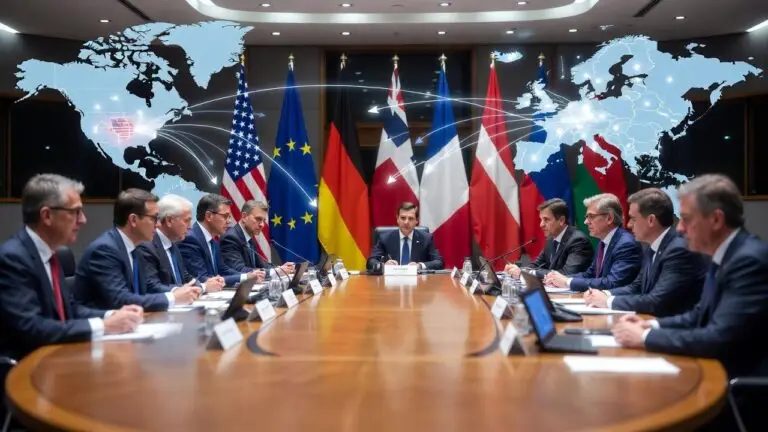
Transatlantic tensions dominated discussions at the 2026 Munich Security Conference. U.S. and European leaders faced critical questions about their partnership’s future. The transatlantic tensions revealed at this gathering highlight shifting priorities on both sides of the Atlantic Ocean.
Key Transatlantic Tensions at Munich 2026
Defense spending disagreements created the conference’s most heated debates. European nations resist U.S. pressure to increase military budgets dramatically. Economic constraints and domestic priorities limit Europe’s defense expansion capabilities.
Trade policy differences emerged as another major friction point. Tariffs and protectionist measures strain the economic partnership. Both sides seek advantages that sometimes conflict with alliance unity.
U.S. Diplomacy Challenges in Transatlantic Tensions
American representatives struggled to balance multiple competing interests. Domestic political pressures influence international commitments and positions. European allies question the reliability of long-term U.S. promises.
Climate policy approaches differ significantly between partners. The U.S. pursues different timelines and methods than Europe. These environmental disagreements affect broader cooperation on global issues.
European Perspectives on Transatlantic Tensions
European leaders emphasize strategic autonomy over dependence on America. The continent seeks independent defense capabilities and decision-making power. This autonomy drive reflects declining trust in traditional alliances.
France and Germany push for stronger European integration. They advocate for unified policies independent of U.S. direction. Smaller European nations worry about being caught between competing visions.
China’s Role
Disagreements over China policy create significant alliance friction. European countries maintain stronger economic ties with Chinese markets. The U.S. demands harder stances that Europeans find economically painful.
Technology restrictions on China divide transatlantic partners deeply. European companies resist losing access to massive Chinese markets. Security concerns clash with commercial interests across the alliance.
NATO’s Future Amid Transatlantic Tensions
Military alliance cohesion faces serious questions at Munich. Members debate NATO’s purpose and priorities for coming decades. Eastern European nations seek stronger commitments than Western partners offer.
Burden-sharing arguments continue without clear resolution. The U.S. wants Europe to shoulder more defense costs. European nations point to their contributions beyond military spending.
Energy Security and Transatlantic Tensions
Natural gas dependencies created vulnerabilities Europe now addresses. Different energy strategies emerge across the Atlantic partnership. U.S. liquefied natural gas exports remain important but insufficient.
Green energy transitions proceed at different speeds regionally. Investment priorities diverge based on local resources and politics. Energy independence goals sometimes conflict with alliance coordination.
Technology Policy
Digital regulation approaches differ fundamentally between regions. Europe enforces strict data protection and tech company rules. The U.S. favors lighter regulation supporting innovation and growth.
Artificial intelligence governance creates new partnership challenges. Competing standards and approaches risk fragmenting technology markets. Both sides want their regulatory models to become global standards.
What Munich 2026 Means for the Future
Transatlantic tensions won’t disappear anytime soon. Economic and political changes make friction inevitable between partners. The relationship requires constant negotiation and compromise from everyone.
Both sides still need each other despite growing differences. No viable alternatives exist to the transatlantic partnership currently. Cooperation continues even as partners pursue independent interests simultaneously.
Younger generations view alliances differently than previous leaders. Historical bonds matter less than current interests and values. The partnership must evolve to remain relevant and effective.
Conclusion
Transatlantic tensions revealed at Munich 2026 reflect deeper structural changes. The U.S.-Europe relationship enters a new phase requiring adjustment. Both partners must adapt to changing global realities together.
The conference showed alliances survive through honest dialogue and flexibility. Pretending tensions don’t exist serves nobody’s interests well. Addressing differences directly strengthens rather than weakens partnerships.