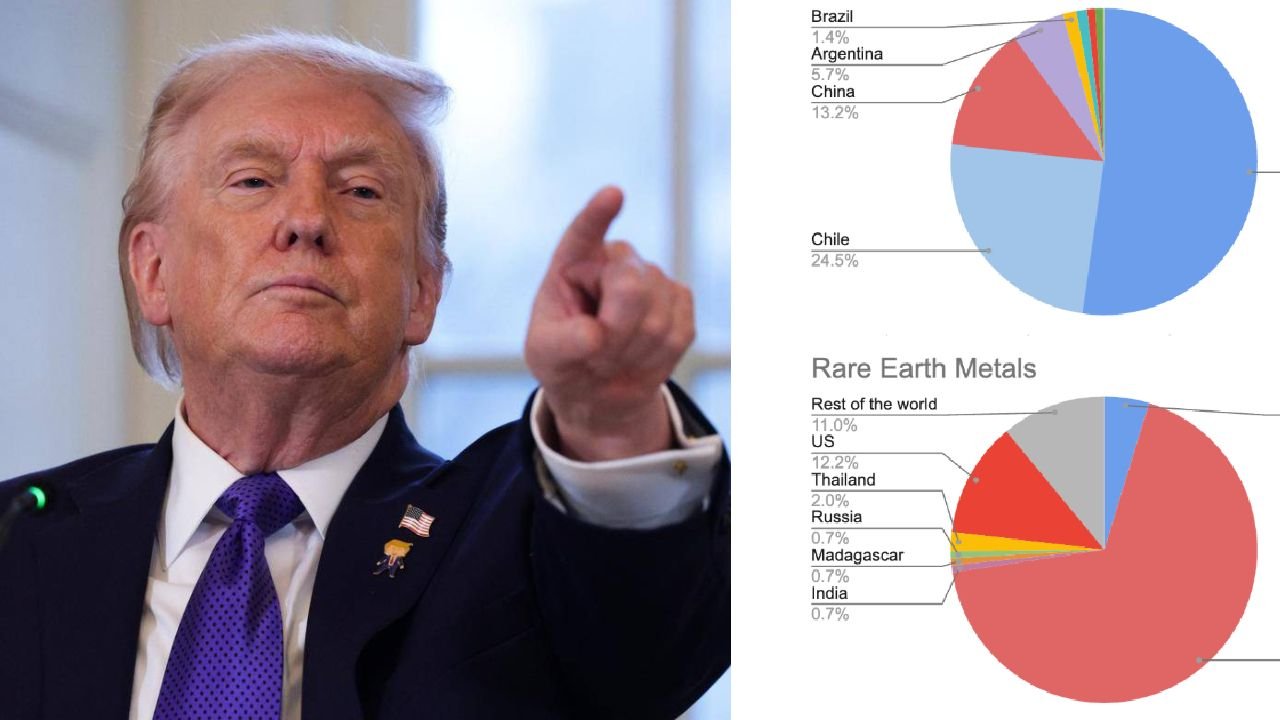
Former President Donald Trump has once again placed trade and resources at the center of political debate. The latest Trump critical minerals push and tariffs updates highlight a renewed focus on economic nationalism, supply chain control, and strategic resources.
This issue is gaining attention fast. It affects global trade, manufacturing, and geopolitics.
What Is Trump’s Critical Minerals Push?
Critical minerals are materials essential for modern technology. They are used in electric vehicles, defense systems, renewable energy, and electronics.
Trump’s position is clear. The United States should reduce dependence on foreign suppliers. Especially rivals.
The push focuses on:
Domestic mining and processing
Reduced reliance on China
Stronger national supply chains
Strategic resource independence
Supporters say it protects national security. Critics warn of environmental and trade risks.
Latest Tariffs Updates Explained
Alongside critical minerals, tariffs are back in the spotlight. Trump has signaled support for tougher trade measures if returned to office.
Recent tariff-related updates include:
Possible increases on imported minerals
Expanded tariffs on foreign-made goods
Pressure on companies to manufacture domestically
These policies aim to protect U.S. industries. But they may raise costs for businesses and consumers.
Why Critical Minerals Matter So Much
Critical minerals are not just economic assets. They are strategic tools.
They power:
Electric vehicles
Military equipment
Clean energy systems
High-tech manufacturing
Control over these resources can shape global power dynamics. That’s why Trump’s critical minerals push is drawing strong reactions worldwide.
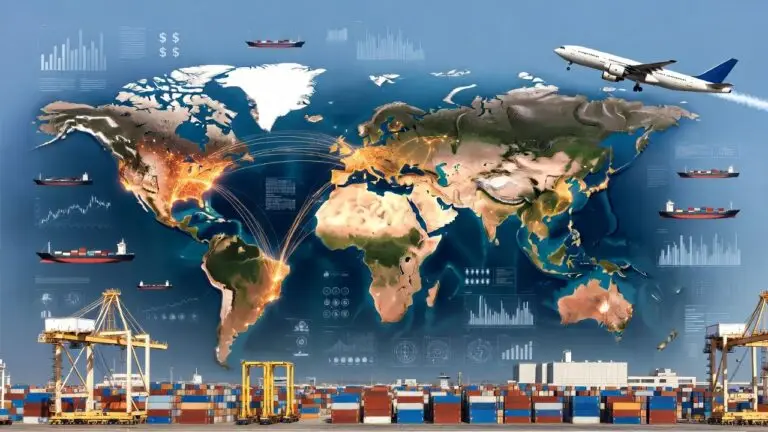
Global Reaction to Trump’s Trade Signals
International partners are watching closely. Some allies support supply chain diversification. Others fear trade disruptions.
Potential global impacts include:
Rising trade tensions
Retaliatory tariffs
Shifts in global supply chains
Markets often react quickly to tariff news. Even policy signals can move prices.
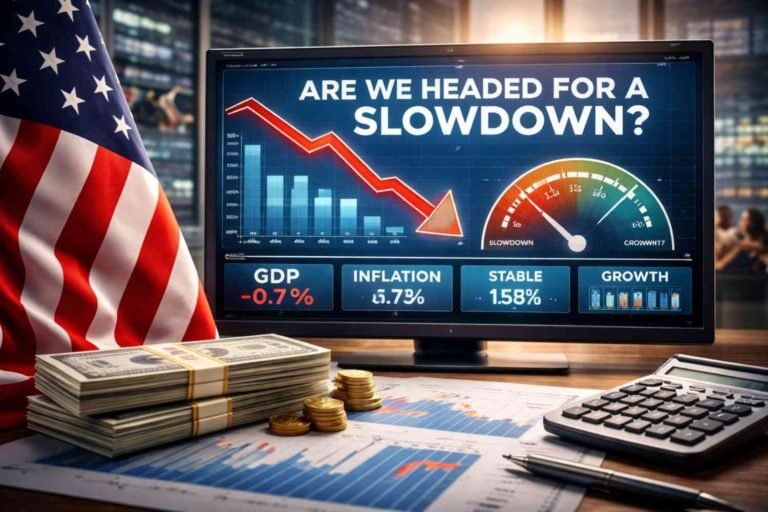
Impact on U.S. Businesses and Consumers
Tariffs can protect local industries. They can also increase production costs.
For businesses:
Higher import costs
Supply chain adjustments
Increased uncertainty
For consumers:
Higher prices
Fewer product choices
The long-term impact depends on how policies are implemented.
Political Debate Inside the U.S.
Trump’s approach divides opinion. Supporters see strength and independence. Opponents see risk and isolation.
Key debate points include:
Economic security vs. free trade
Job creation vs. consumer costs
National strategy vs. global cooperation
This debate is likely to intensify as elections approach.
What Happens Next?
Trump’s critical minerals push and tariffs updates suggest trade policy will remain a major issue. Any official policy changes would take time.
Still, signals alone matter. Businesses, investors, and governments are already preparing for multiple outcomes.
Final Thoughts
The focus on critical minerals and tariffs shows how resources and trade are shaping modern politics. Trump’s stance reflects broader concerns about supply chains and global competition.
Whether these policies strengthen the economy or create new challenges remains an open question.